
Knowledge Base & News
Logistics & Supply Chain Insights
Expert articles, industry updates, and practical guides on international air, ocean, and road freight forwarding.
Blog

What Is Ocean Container Shipping Freight Cost?
Ocean Container Shipping Freight is the price paid to move goods inside a container by sea. It connects exporters, importers, carriers, ports, and inland transport providers. For a small business, the difference between a 20-foot and 40-foot container can change the entire shipping budget. The final amount rarely comes from one simple rate.
Freight pricing usually includes the ocean base rate, bunker adjustments, terminal handling, documentation, and destination charges. Inland trucking, customs services, storage, and insurance may appear separately. A shipment from Shanghai to Los Angeles, for example, can face different costs during peak season, even when the cargo weight remains unchanged. Port congestion can also add delay-related expenses. Delays matter.
Experienced shippers compare complete door-to-door quotations instead of choosing the lowest headline price. They check the trade lane, container type, cargo volume, sailing schedule, and quotation validity period. A reliable forwarder should explain each charge clearly and identify possible surcharges before booking. Still, estimates are not promises. Fuel prices, exchange rates, weather, and port conditions can change quickly. Some online calculators simplify these variables too much, which may create false confidence.
This guide explains how Ocean Container Shipping Freight is calculated and why prices move. It also examines common fees, freight terms, seasonal changes, and practical ways to control costs. The goal is not to promise the cheapest shipment. It is to support better decisions, clearer communication, and fewer unexpected invoices. Check every assumption. Small details often become expensive ones.
Read more »
 By:Evelyn
- September 11, 2026
By:Evelyn
- September 11, 2026
Why Choose Air Cargo Import Export Services?
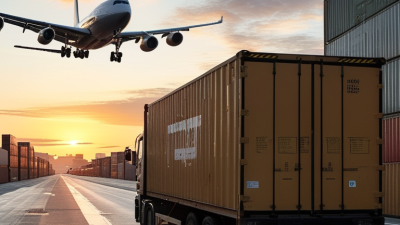
When timing matters, air freight gives businesses a controlled route across borders. Air Cargo Import Export Services connect shippers, airlines, customs specialists, and delivery teams. A pallet of medical devices may leave Frankfurt at dawn and reach Singapore within two days. That speed supports production schedules, product launches, and urgent replenishment. It also reduces uncertainty during long ocean transit. Yet speed alone is not enough.
Experienced providers examine cargo dimensions, weight, destination rules, and handling needs before booking. They can recommend direct flights, consolidated shipments, or temperature-managed options. Clear documents help customs authorities review invoices, packing lists, and certificates efficiently. Reliable tracking shows each handoff, from warehouse acceptance to final delivery. In practice, a good team communicates early when a flight changes or a package needs inspection. That honesty matters. It protects planning.
The strongest Air Cargo Import Export Services combine operational experience with current industry knowledge. They use established airline relationships, secure facilities, and documented quality procedures. Customers should ask about insurance, service limits, delivery estimates, and emergency contacts. No logistics process is flawless. A mislabeled carton, incomplete address, or late instruction can still cause delays. That is worth remembering. Careful preparation remains essential.
For companies comparing transport methods, air cargo offers speed, visibility, and responsive support. Its higher cost may not suit every shipment. However, valuable, time-sensitive, or carefully controlled goods may justify the investment. The right provider does not promise perfection. It explains risks, measures performance, and supports informed decisions.
Read more »
 By:Amelia
- September 11, 2026
By:Amelia
- September 11, 2026
Top Air Freight Customs Documentation Requirements
Air Freight Customs Documentation is the foundation of a smooth international shipment. Accurate paperwork helps customs authorities identify the goods, confirm their value, and assess applicable duties. It also gives carriers and brokers the information needed to move cargo safely. Small errors can create large delays.
A practical documentation package often includes a commercial invoice, packing list, air waybill, and certificate of origin. Some products may require additional certificates, licenses, or technical records. Requirements depend on the destination, product classification, shipment value, and trade agreement. The invoice should clearly show the seller, buyer, currency, description, quantity, and declared value. The packing list should match the physical cartons. Labels matter too.
Details must agree.
In real operations, experienced export teams compare every document before handover. They check the consignee’s address, HS classification, package count, weights, and delivery terms. Customs brokers can provide valuable guidance, but the shipper remains responsible for truthful information. Regulations also change, and an old template may quietly become unreliable. A checklist reduces risk, although it is not infallible. Even careful teams can overlook a decimal, omit a unit, or copy an outdated product description. Reviewing the documents against the actual cargo creates a stronger control. Reliable preparation is not about producing more pages. It is about providing clear, consistent, and verifiable information before the aircraft departs.
Read more »
By:Amelia
- September 11, 2026