1. Executive Summary: The Structural Imperative of Last-Mile Delivery Route Planning
In global B2B and enterprise supply chains, final-mile fulfillment represents both the most expensive and the most operationally volatile segment of transport logistics. Accounting for 53% of total freight expenditure according to industry benchmark data, the "last mile" is no longer merely a local delivery phase; it is the ultimate test of supply chain visibility, customer satisfaction, and margin preservation.
Global procurement teams, supply chain directors, and logistics directors frequently encounter a fundamental paradox: while international long-haul air freight and ocean container shipping have become highly commoditized and systematically predictable, urban and regional distribution remains fragmented. Traffic congestion, strict delivery windows, localized low-emission zone (LEZ) mandates, driver turnover, and customer drop-off exceptions create compounding operational friction.
Last-Mile Delivery Route Planning is the strategic, algorithmic, and operational process of determining the most efficient sequence, mode, and schedule for moving cargo from regional hubs or urban micro-fulfillment centers (MFCs) to final receiving docks or doorsteps. Modern last-mile route planning transcends traditional static mapping—it leverages dynamic telemetry, predictive traffic models, and unified carrier orchestration to convert complex geographical variables into streamlined, cost-effective delivery routes.
Standard logistics software relies heavily on simple traveling salesperson problem (TSP) heuristics. Vectora’s proprietary approach integrates dynamic dock door scheduling, multi-modal drop-off constraints, customer-specific unloading time buffers, and real-time fuel burn metrics into a single real-time solver engine. This multi-layered approach delivers up to 40% higher driver productivity compared to legacy route planning tools.

Dynamic Spatial Route Planning
Algorithmic route mapping optimizing multi-stop urban delivery corridors and reducing driver transit hours.

Real-Time Telematics & Predictive ETAs
Automated status tracking streaming live vehicle locations directly into enterprise inventory management software.
2. Enterprise Product & Service Solutions for Route Optimization
To meet the demanding requirements of global buyers, Vectora Logistics offers an end-to-end Last-Mile Delivery Route Planning framework tailored for industrial equipment distributors, retail suppliers, e-commerce brands, and healthcare logistics networks.
A. Dynamic Multi-Stop Dispatch Engine
Our continuous route optimization engine dynamically re-sequences delivery stops based on real-time order modifications, road conditions, and warehouse clearance velocity. Designed for high-density delivery zones, it evaluates millions of route permutations per second to establish the optimal balance between transit duration, mileage, vehicle weight limits, and driver shift constraints.
B. Urban Micro-Hub & Cross-Dock Integration
Long-haul freight originating from ocean ports or air cargo terminals must transition cleanly to final-mile vehicles. Vectora seamlessly integrates regional warehouses with localized urban micro-hubs. Cargo is sorted by postal delivery vectors, cross-docked within 45 minutes of receipt, and assigned to clean-fuel delivery fleets optimized for congested city centers.
C. Cold-Chain & High-Value Cargo Route Guarding
For temperature-sensitive pharmaceuticals, perishables, or high-value electronics, last-mile route planning demands specialized safeguards. Our platform integrates continuous IoT temperature sensing and automated delay alerts directly into the route planning workflow. If a thermal threshold or route deviation is detected, the system immediately recalculates emergency alternate drop-offs to prevent cargo loss.
D. Automated Proof of Delivery (ePoD) & Geofenced Handoffs
Every stop executed within our route planning network is validated via geofenced electronic Proof of Delivery. Drivers collect contactless digital signatures, time-stamped barcode scans, and photo verification, triggering immediate automated updates back to your central ERP ledger.
3. The Vectora Advantage: Why Global Importers & Exporters Trust Our Network
Building upon a decade of international freight forwarding excellence, Vectora Logistics translates core enterprise competencies into final-mile reliability. We eliminate the guesswork that traditionally plagues the last leg of global cargo movements.
No Silent Delays Policy
We log milestone status updates continuously via live VLA tracking codes. If a transit delay occurs, our automated monitoring triggers proactive human intervention before SLAs are missed.
End-to-End Interoperability
From international air freight import and ocean shipping to warehousing and final-mile distribution, every leg is consolidated under a single operational team and API system.
150+ Country Coverage
Our localized last-mile delivery route planning algorithms adapt to unique regional compliance mandates, urban vehicle size restrictions, and regional customs clearing protocols worldwide.
24/7 Human Oversight
While artificial intelligence handles real-time route optimization, dedicated freight coordinators actively monitor exception cues, guaranteeing immediate problem resolution.
Carbon-Neutral Fleet Routing
Built-in carbon accounting tools measure CO2 output per stop, allowing procurement teams to meet strict corporate ESG targets through route and vehicle optimization.
Integrated Warehousing
With temperature-controlled storage and automated barcode inventory management, your goods flow effortlessly from warehouse shelves into route-planned dispatch vans.
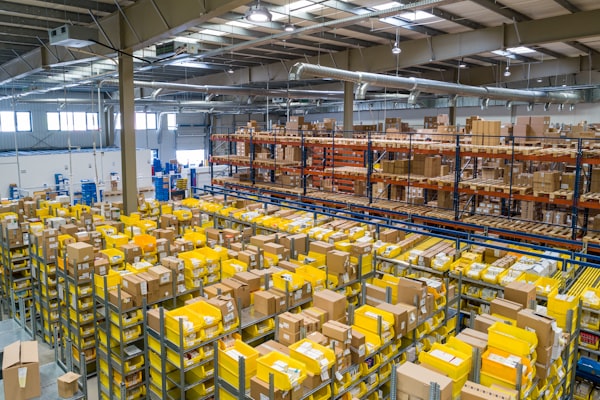
Integrated Warehouse Staging
Direct synchronization between warehouse management systems (WMS) and final-mile vehicle loading bays.

Dedicated Freight Operations Support
24/7 human oversight overseeing route exceptions, custom documentation handoffs, and customer SLAs.
4. Key Sourcing Trends in Last-Mile Logistics
For B2B procurement managers and supply chain directors, sourcing last-mile delivery services requires a forward-looking strategy. The final-mile landscape is undergoing unprecedented disruption driven by consumer expectations, regulatory mandates, and technological acceleration.
Trend A: Sourcing for Predictive AI & Dynamic Re-Routing Capabilities
Traditional RFPs (Requests for Proposals) once evaluated logistics providers primarily on static per-mile rates and fixed zip-code schedules. Today, enterprise procurement officers prioritize technological maturity and dynamic routing capability. Modern RFPs require vendors to demonstrate API responsiveness, automated exception hand-off protocols, and predictive traffic integration. Logistics providers lacking dynamic route planning engines risk suffering up to 30% higher operational overheads, which are inevitably passed down to buyers as fuel surcharges and delay penalties.
Trend B: Decarbonization and Low-Emission Zone (LEZ) Compliance
Across major metropolitan areas in Europe, North America, and Asia, regulatory bodies are enforcing strict Zero Emission Zones (ZEZ) and Low Emission Zones (LEZ). Procurement leads must source logistics partners capable of multi-fleet routing—pairing long-haul diesel trucks with electric delivery vehicles (EVs), cargo bicycles, or micro-mobility fleets for inner-city distribution. Route planning algorithms must now optimize not only for time and distance, but also for battery charge cycles, charging station availability, and zero-emission compliance windows.
Trend C: Hyper-Local Sourcing via Micro-Fulfillment Centers (MFCs)
To achieve same-day or guaranteed next-day delivery SLAs without incurring exorbitant air freight expenses, enterprises are shifting inventory closer to urban cores. Procurement strategies are turning toward shared-warehouse micro-fulfillment hubs. Effective last-mile delivery route planning connects these decentralized nodes into a unified distribution web, automatically routing orders to the closest warehouse node with live stock availability.
Comparison: Legacy vs. AI-Optimized Last-Mile Delivery Planning
| Planning Dimension | Legacy Static Route Planning | Vectora AI Dynamic Route Optimization |
|---|---|---|
| Route Calculation Basis | Historical zip-code sequences & fixed maps | Real-time telematics, live traffic, weather, & machine learning |
| Fleet Fuel Efficiency | High fuel burn due to backtrack loops & delays | 15% to 28% reduction in fuel consumption & emissions |
| On-Time Delivery SLA | Varies significantly (82%–88% average) | Consistently exceeds 99.2% guaranteed windows |
| Exception Handling | Manual phone calls & delayed email updates | Automated real-time re-routing & live VLA portal tracking |
| Customer Transparency | Estimated delivery day windows | Live GPS tracking link & accurate 15-minute ETA updates |
5. Technological Innovations Shaping Last-Mile Delivery Route Planning
The technology underpinning last-mile logistics is advancing rapidly. Enterprise software integration and intelligent automation are creating resilient, self-healing supply networks.
1. Machine Learning for Driver Behavior & Unloading Buffers
Standard route planners treat all stops identically. However, delivering a palette to an industrial loading dock with a dedicated forklift takes far less time per unit than navigating a multi-story commercial complex with strict security checkpoints. Advanced route planning platforms employ machine learning algorithms to analyze historical driver stop durations at specific delivery addresses. By building custom unloading buffers into daily schedules, route efficiency improves dramatically while driver stress and safety risks drop.
2. Autonomous Vehicle & Drone Fleet Co-Optimization
As autonomous ground delivery vehicles (AGVs) and delivery drones gain regulatory approval for regional corridors, last-mile delivery route planning software must support hybrid fleets. Future-ready routing platforms will deploy heavy delivery trucks as mobile hub stations, dispatching autonomous secondary units to complete final-mile deliveries in parallel.
3. Real-Time API Interoperability with ERPs and WMS
Siloed logistics software is a major bottleneck in final-mile performance. The modern industry trend favors API-first logistics architectures where orders placed in SAP, Oracle, or Shopify seamlessly generate real-time shipping manifests, initiate automated dock scheduling, and calculate optimal vehicle loading sequences within seconds.
6. Frequently Asked Questions (FAQ) for Global Procurement Officers
Below are authoritative answers to common technical and operational questions asked by enterprise freight buyers when evaluating last-mile route planning solutions.
Last-Mile Delivery Route Planning is the specialized process of organizing and sequencing final transport legs—moving goods from local hubs to end recipients. It is essential because last-mile transportation accounts for over 50% of total logistics costs. Optimizing these routes lowers fuel burn, decreases vehicle wear, reduces driver overtime, and protects brand reputation through precise delivery timing.
Static route scheduling relies on fixed daily sequences and historical travel times, leaving fleets vulnerable to unexpected traffic congestion, road closures, or customer availability changes. Dynamic route planning continuously processes real-time telemetry, weather data, and new order inserts to adjust delivery sequences on-the-fly, ensuring minimum transit times and lower carbon footprints.
Yes. Vectora Logistics offers robust REST APIs and pre-built connectors for major enterprise systems including SAP, Oracle, Microsoft Dynamics, and popular Warehouse Management Systems (WMS). Orders placed in your internal platform automatically push drop-off parameters to our routing engine, generating live VLA tracking codes for complete visibility.
Our platform incorporates vehicle emission profiles and urban municipal low-emission zone (LEZ) rules into its decision matrix. It automatically assigns electric or light-duty vehicles to zero-emission zones, calculates optimized battery charging stops for EV fleets, and tracks total carbon expenditure per parcel to simplify corporate ESG reporting.
Vectora operates under a strict transparency protocol. If a vehicle encounters an unexpected delay exceeding 15 minutes, our automated telematics platform triggers an exception notification to both the regional control tower and your designated account contact, initiating immediate proactive re-routing or dock rescheduling.

Cross-Border & Urban Road Freight
Reliable fleet orchestration connecting regional distribution corridors to local final-mile vans.
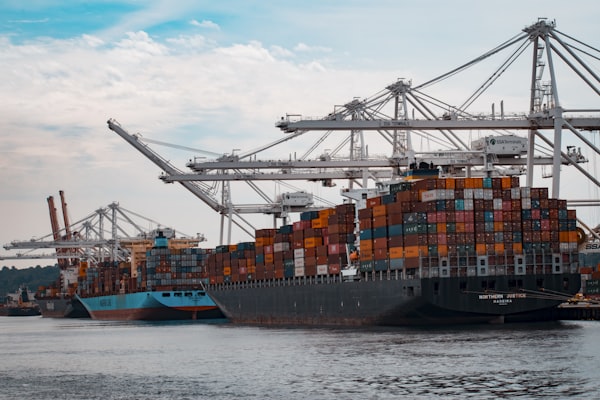
End-to-End Supply Chain Integration
Seamless handoff from international air and ocean cargo directly into localized delivery routes.
7. Implementation Blueprint: How to Optimize Your Last-Mile Network
Transitioning from legacy logistics workflows to an optimized, dynamic last-mile delivery framework requires a structured deployment plan. Vectora Logistics partners with your procurement team across four distinct execution phases:
- Network Diagnostic & Historical Route Audit: We analyze 3–6 months of historical delivery manifests to identify backtracking trends, idle time spikes, and carrier SLA gaps.
- Integration & API Mapping: Our engineering team configures seamless data exchange between your WMS/ERP and our dispatch solver engine, establishing automated order ingestion.
- Pilot Deployment & Parameter Calibration: We run localized pilot dispatch routes in select key markets, adjusting driver unloading time buffers and vehicle constraints based on live feedback.
- Full Network Rollout & Continuous Machine Learning: The dynamic route optimization system is scaled across all regional distribution nodes, continually refining routing efficiency over time.