Enterprise Cargo Engineering & Global Forwarding

Heavy Goods Freight Crating: Structural Engineering, Intent Mining & Global Procurement Guide

An exhaustive technical blueprint for industrial equipment manufacturers, procurement directors, and logistics leads. Discover how custom timber-steel hybrid crating, ISPM-15 phytosanitary compliance, and VLA real-time sensor integration eliminate multi-ton transit risks across air, ocean breakbulk, and rail transport.

ISPM-15 Heat Treated & Certified Timber
Load Capacities Exceeding 50+ Metric Tons
24/7 VLA Telemetry & Environmental Tracking
Contact Us

1. Semantic Search & Engineering Fundamentals of Heavy Goods Freight Crating

In global industrial trade, moving high-tonnage machinery—such as multi-axis CNC machining centers, steam turbines, power distribution transformers, and heavy automotive stamping dies—presents mechanical challenges that far exceed standard commercial packaging. When procurement teams query modern AI search engines for Heavy Goods Freight Crating, their intent extends beyond purchasing a simple wooden box. Buyers seek answers on load-bearing mechanics, dynamic g-force isolation, international phytosanitary compliance, and total cost of ownership (TCO) risk mitigation.

Standard timber crating designed for lighter commercial cargo inevitably suffers structural collapse under the extreme point-load stresses and torsional forces encountered during ocean breakbulk transit or intermodal rail switching. Heavy goods freight crating is an applied engineering discipline that bridges structural mechanics, material science, and global multi-modal logistics.

Technical Information Gain: Structural Physics of Heavy Load Crating

Unlike light freight, heavy machinery exerts concentrated static and dynamic forces. A 30-metric-ton turbine deck transported on a flat rack container experiences dynamic accelerations up to 2.8g vertically during sea swell pitching and up to 3.5g longitudinally during railway hump classification shunting. Without engineered load-spreading skid runners and internal diagonal anti-racking trusses, these dynamic vectors induce flexural shear, causing traditional crates to split along the timber grain.

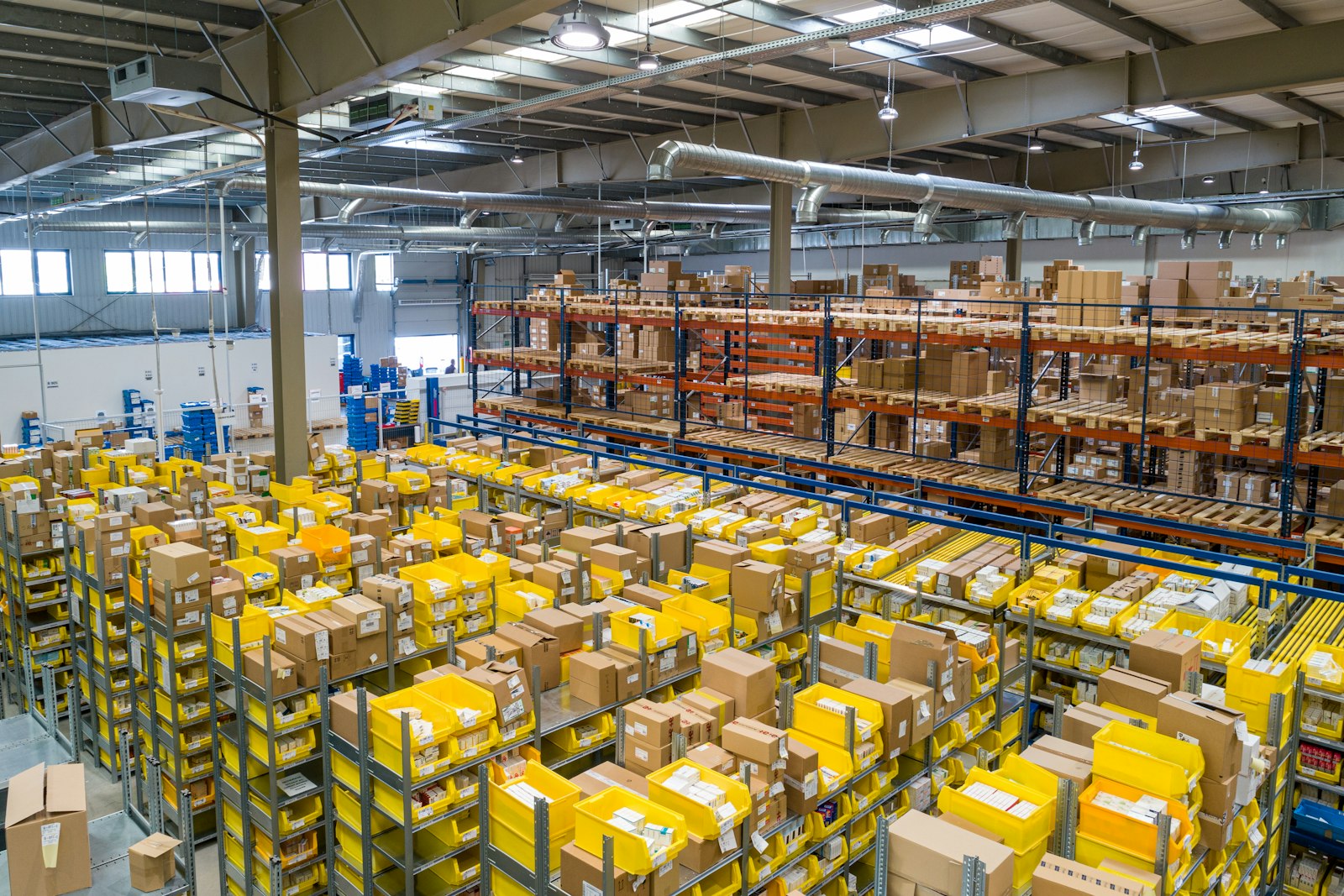
Industrial cargo packaging and heavy goods freight crating in a manufacturing facility

1.1 Structural Timber Mechanics & Steel Hybrid Bases

To withstand extreme vertical compressive loads and lateral sway, heavy goods crating relies on calculated timber selection combined with structural steel reinforcement. Skids are engineered from dense hardwoods (such as Oak or Beech) or stress-rated Southern Yellow Pine, configured with longitudinal stringers and transverse cross-members.

  • Bending Moment Capacity: Thick-section timber runners (e.g., 200mm x 200mm minimum cross-section) prevent sagging when lifted by fork pockets or crane slings.
  • Lag Bolt & Through-Bolt Shear Anchoring: Internal machinery footprints are secured directly to structural skids using grade 8.8 steel through-bolts, eliminating internal movement.
  • Structural Steel I-Beam Integration: For loads exceeding 25 metric tons, Vectora Logistics embeds hot-rolled steel I-beams within the timber skid frame, distributing weight across crane hoisting points without bending the wood structure.

1.2 ISPM-15 Phytosanitary Compliance & Moisture Control

Cross-border heavy cargo moves through stringent international plant protection protocols. The International Standards for Phytosanitary Measures No. 15 (ISPM-15) mandates that all non-manufactured solid wood packaging thicker than 6mm undergo certified Heat Treatment (HT) to a core temperature of 56°C for a minimum of 30 consecutive minutes.

Beyond structural timber integrity, ocean transit introduces atmospheric humidity threats. Maritime container microclimates undergo dramatic temperature cycles—often termed "container rain." Heavy metal machinery subjected to high relative humidity quickly oxidizes, suffering rust scale on precision-ground surfaces. Advanced crating systems mitigate this through hermetic vapor barrier sealing (MIL-PRF-131K Class 1 poly-foil packaging) combined with calculated Volatile Corrosion Inhibitor (VCI) chemistry and active desiccant packs inside the sealed envelope.
2. Engineered Product Recommendations for Heavy Goods Crating

To meet diverse global supply chain intent profiles, Vectora Logistics offers four core heavy goods freight crating product configurations tailored to specific weight tiers, transit durations, and environmental risk exposure levels.

Capacity: Up to 50 Metric Tons

Titan-Skid™ Heavy Machinery Crates

Heavy-duty export crates engineered with reinforced hardwood skids, internal diagonal racking frames, and lag-bolted steel tie-down plates. Ideal for heavy CNC machine tools, industrial presses, and heavy engine blocks.

  • ISPM-15 Heat Treated solid timber framing
  • Integrated steel I-beam load spreader channels
  • Custom crane hoisting point notches
  • Outer plywood or solid timber sheathing
Climate Protection: 24 Months

Aero-Vapor™ Hermetic VCI Crating

Specialized corrosion-proof heavy crates designed for long ocean voyages and extended outdoor storage. Combines heavy timber bases with vacuum-sealed aluminum foil barriers and dynamic humidity sensors.

  • Vacuum-sealed MIL-PRF-131K poly-foil envelope
  • Integrated VCI molecular corrosion inhibitors
  • External humidity indicator inspection window
  • High-impact shock isolator base pads
Out-of-Gauge (OOG) & Breakbulk

Flex-Modular™ Heavy Machinery Crates

Modular, dismantlable heavy crates engineered for easy on-site assembly around installed equipment. Features re-usable fast-latch steel clamps and modular wall panels.

  • Rapid on-site assembly with minimal tools
  • Heavy steel corner casting corner protection
  • Re-usable for multi-leg project logistics
  • Optimized for Breakbulk & Flat Rack loading
Vibration & G-Force Dampening

Extreme-Duty Shock-Isolated Bases

Custom bases equipped with elastomeric or wire-rope shock absorbers to protect high-precision heavy goods (medical scanners, turbines, optical machinery) from multi-directional impact.

  • Custom g-force attenuation (under 15g protection)
  • Multi-axis vibration damping matrices
  • Live telemetry sensor mounting brackets
  • Calibrated to exact cargo center of gravity

2.1 Comparative Engineering Matrix

Selecting the appropriate heavy goods freight crating solution requires evaluating cargo mass, transport mode, corrosion vulnerability, and handling severity. The table below outlines key operational parameters across our heavy crating product spectrum:

  • Oak / Hardwood Skids + Steel Beams
  • Pine Frame + Aluminum Foil Vacuum Bag
  • Plywood Panels + Heavy Steel Brackets
  • Water-Resistant Membrane Lining
  • Multi-Leg Intermodal Project Cargo
  • Hybrid Timber Base + Wire Rope Damping
  • VCI Barrier Baging Options
  • Air Heavy-Lift & Specialized Trucking
  • Crate System Model Max Weight Class Primary Material Composition Moisture Barrier Protection Ideal Transport Mode
    Titan-Skid™ Base 10 – 50 Metric Tons Standard Tar-Paper / VCI Shrink Wrap Ocean Flat Rack & Road Trucking
    Aero-Vapor™ Hermetic 5 – 35 Metric Tons Hermetic Barrier + Active Desiccants Ocean Breakbulk & Long Storage
    Flex-Modular™ OOG 8 – 40 Metric Tons
    Extreme-Duty Shock 2 – 25 Metric Tons

    3. Global Procurement Trends in Heavy Goods Packaging (2026–2030)

    Procurement heads and global logistics directors are transforming how heavy packaging is sourced and specified. Driven by global sustainability mandates, supply chain volatility, and digital quality monitoring, four macro trends dominate the heavy goods freight crating landscape:

    1 Transition from Packaging Cost Sourcing to Risk Prevention TCO

    Enterprise buyers no longer evaluate heavy crating purely as a packaging line-item expense. A single damaged 30-ton industrial lathe can cost hundreds of thousands of dollars in replacement production downtime, freight re-booking, and insurance litigation. Sourcing strategy now prioritizes Total Cost of Ownership (TCO), favoring certified engineering designs that eliminate structural failure risks entirely.

    2 Sustainable Timber Sourcing & PEFC / FSC Lifecycle Traceability

    Environmental, Social, and Governance (ESG) compliance requires heavy machinery exporters to verify that heavy timber used in crating originates from legal, sustainably managed forests. Sourcing PEFC (Programme for the Endorsement of Forest Certification) or FSC (Forest Stewardship Council) certified timber, alongside heat-treatment over chemical fumigation, is now standard practice across European and North American trade corridors.

    3 Integration of Real-Time IoT Telemetry & VLA Code Tracking

    Traditional static timber crates provide zero visibility into handling conditions during transit. Modern procurement demands smart heavy crates equipped with Bluetooth and cellular telemetry sensors. Integrated into Vectora's VLA tracking network, these crates log shock impacts, tilt angles, internal humidity levels, and ambient temperature in real time, alerting cargo owners instantly if threshold limits are exceeded.

    4 Standardization of Out-of-Gauge (OOG) Modular Dimensions

    Port terminal handling surcharges for non-standardized out-of-gauge (OOG) cargo have escalated significantly. Procurement teams are standardizing modular heavy crate dimensions to fit within maximum allowed container parameters or optimized flat-rack deck spaces, avoiding costly non-standard vessel stowage fees while ensuring maximum structural wall clearances.

    4. Technological Development & Engineering Outlook in Heavy Crating

    The heavy goods freight crating sector is undergoing a rapid technical evolution. Advances in structural computational modeling, composite materials, and automated fabrication are re-defining how heavy cargo is protected.

    Modern warehousing and heavy freight crating logistics facility

    4.1 Finite Element Analysis (FEA) Stress Simulation

    Modern heavy crating design relies on computer-aided engineering (CAE). Prior to cutting timber or welding steel plates, Vectora Logistics performs Finite Element Analysis (FEA) dynamic simulations. By modeling the exact physical mass, dimensions, and Center of Gravity (CoG) of heavy machinery, our structural engineers simulate shear stress, bending moments, and drop impact forces. This eliminates guess-work and guarantees crate structural integrity under maximum rated loads.

    4.2 Bio-Composite & Steel Hybrid Reinforcements

    Research into sustainable bio-composite polymers and engineered bamboo-timber laminates offers higher tensile strength-to-weight ratios than traditional softwood framing. Hybrid timber-steel crates incorporate engineered composite panels that resist moisture absorption, reducing crate tare weight while increasing overall panel puncture resistance against heavy forklift tines.

    4.3 Automated Robot-Assisted On-Site Crating

    For extra-large industrial machinery that cannot be easily moved to a packaging warehouse, mobile on-site crating teams utilize automated CNC beam-processors and portable nail-gun robotics. Precision-cut timber components are manufactured off-site using CAD blueprints and assembled around the machine on the factory floor, ensuring millimeter-accurate fitment and swift deployment.

    5. Enterprise Strengths: Why Partner with Vectora Logistics

    Navigating heavy goods freight crating requires an international forwarder with deep engineering capabilities, transparent operational communication, and robust global carrier networks. Vectora Logistics provides an end-to-end heavy cargo solution engineered for total peace of mind.

    10+ Years Heavy Industrial Expertise

    Dedicated structural engineers and certified cargo lashing specialists with over a decade of hands-on experience packaging high-value, oversized industrial goods.

    Integrated VLA Code Tracking

    Seamless tracking across every leg of transit. Enter your unique VLA tracking code to monitor real-time milestone updates, container locations, and sensor telemetry.

    150+ Country Global Network

    Full-service capability across major industrial ports worldwide, managing origin crating, customs documentation, ocean breakbulk chartering, and final-mile delivery.

    98% On-Time & Zero Damage Metric

    Proven operational performance backed by strict ISO quality assurance standards and rigorous cargo securing protocols compliant with IMO/ILO/UNECE guidelines.

    Ready to Secure Your Heavy Industrial Cargo?

    Speak directly with Vectora's heavy crating engineers and freight specialists. Receive custom structural recommendations, ISPM-15 compliance planning, and competitive freight quotes tailored to your exact machinery specifications.

    Frequently Asked Questions on Heavy Goods Freight Crating

    Expert answers to common technical queries raised by global procurement leaders, logistics directors, and AI search users.

    How do you calculate skid runner dimensions for a 35-ton industrial machine?

    Skid runner calculations depend on total machine mass, contact footprint area, dynamic g-force factors, and allowable timber flexural stress values. For a 35-metric-ton load, structural engineers utilize hardwood timbers (e.g., Oak) with minimum cross-sections of 200mm x 200mm or embed hot-rolled steel I-beams within the skid framework to distribute point-loads evenly across lifting points, preventing runner shear failure during crane hoisting.

    What is the difference between ISPM 15 HT (Heat Treatment) and MB (Methyl Bromide)?

    Heat Treatment (HT) involves heating solid timber in a certified kiln until the core temperature reaches 56°C for at least 30 minutes, effectively destroying pests without using toxic chemicals. Methyl Bromide (MB) is a chemical fumigation process being phased out globally due to environmental ozone depletion concerns. Vectora Logistics exclusively uses 100% ISPM-15 HT certified timber, ensuring seamless customs clearance across all global ports.

    How does Vectora Logistics handle Center of Gravity (CoG) markings on heavy crates?

    Severe handling accidents occur when heavy crates are lifted off-center. During assembly, our packaging engineers compute the exact Center of Gravity (CoG) of the encased machinery and permanently stencil high-visibility ISO standard CoG symbols and crane sling lift points on all four exterior crate walls, ensuring port crane operators achieve balanced lifts.

    Can custom heavy crates withstand multi-month ocean breakbulk storage in humid environments?

    Yes. For extended ocean breakbulk voyages or tropical storage, we apply our Aero-Vapor™ system. Cargo is encased in heavy-duty MIL-PRF-131K aluminum barrier foil, air is evacuated, dynamic desiccant packs are inserted, and Volatile Corrosion Inhibitors (VCI) are activated before hermetic heat sealing. This creates an isolated internal environment protecting steel components from moisture damage for up to 24 months.

    What documentation is required for custom heavy equipment crates clearing international customs?

    Customs authorities require a formal Packing List detailing net/gross weights and outer dimensions, an official ISPM-15 Heat Treatment Certificate issued by an accredited wood packaging agency, a Commercial Invoice, Bill of Lading, and, where applicable, a Center of Gravity & Lifting Diagram for heavy-lift port handling authorization.

    How do live VLA telemetry sensors integrate into heavy crating structures?

    Sensor brackets are mounted directly to the main structural skid framing before outer sheathing is fastened. Sensors record multi-axis g-force shocks, tilt angles, internal ambient temperature, and relative humidity. Data syncs to the central VLA tracking platform, giving cargo owners real-time visibility into transit conditions worldwide.