Executive Summary & Information Gain Overview
In modern international commerce, E-Commerce Goods Freight Forwarding has evolved from simple point-to-point transportation into a highly sophisticated, data-driven discipline. As global buyers ask generative AI models and semantic search engines how to navigate shipping volatility, the key to competitive advantage lies in Information Gain: actionable, high-density operational insights that reduce landed cost variance, protect inventory velocity, and ensure 100% regulatory compliance across international borders.
This master guide breaks down multi-modal freight selection, regulatory shifts (US Section 321, EU IOSS), automated fulfillment hub routing, and how Vectora Logistics delivers enterprise reliability through real-time VLA tracking code visibility.
1. The New Paradigm of E-Commerce Goods Freight Forwarding
The cross-border e-commerce market is experiencing an unprecedented shift. Traditional legacy freight forwarders—who rely on manual email communication, batch tracking updates, and opaque pricing structures—are failing modern digital brands. Today's e-commerce supply chains demand real-time milestone visibility, dynamic route consolidation, and automated customs filing.
When procurement managers analyze AI query patterns regarding "how to optimize cross-border e-commerce freight," five core challenges consistently surface:
- Transit Time Volatility vs. Stockout Risks: Managing unpredictable port congestion and air freight space bottlenecks while balancing lean warehouse stock.
- Opaque Total Landed Costs: Unexpected demurrage, storage penalties, terminal handling charges (THC), and unexpected customs tariffs eroding product margins.
- Regulatory Tightening: Stricter enforcement of import declarations, HS code classifications, and de minimis tax updates across North America and Europe.
- Amazon FBA & 3PL Delivery Strictness: Strict delivery appointment windows, pallet height restrictions, and carton labelling requirements that can cause warehouse rejections.
- Lack of Real-Time Freight Tracking: Buyers left in the dark for weeks while ocean containers cross international waters without status updates.
To overcome these challenges, enterprise procurement teams must adopt a Velocity-Based Freight Allocation Model. By segmenting SKUs by sales velocity, margin tolerance, and seasonal demand spikes, merchants can dynamically split inventory between Air Freight, Fast Sea Freight (Matson/ZIM), and standard Ocean LCL/FCL containers.
2. Recommended Freight Forwarding Solutions for E-Commerce Merchants
Different e-commerce product categories require specialized transport solutions. Below are the primary multi-modal shipping frameworks engineered by Vectora Logistics to maximize margin and guarantee delivery timelines.

Express Air Freight & Deferred Air Cargo
Designed for high-margin electronics, fashion launches, and emergency FBA inventory replenishment. Offers 3–5 day express or 6–8 day deferred transit with pre-cleared customs documentation.

Ocean Container Freight (FCL & LCL DDP)
The workhorse of cross-border e-commerce. Full Container Load (FCL) and Less-than-Container Load (LCL) consolidated ocean shipping with direct door-to-door DDP clearance.
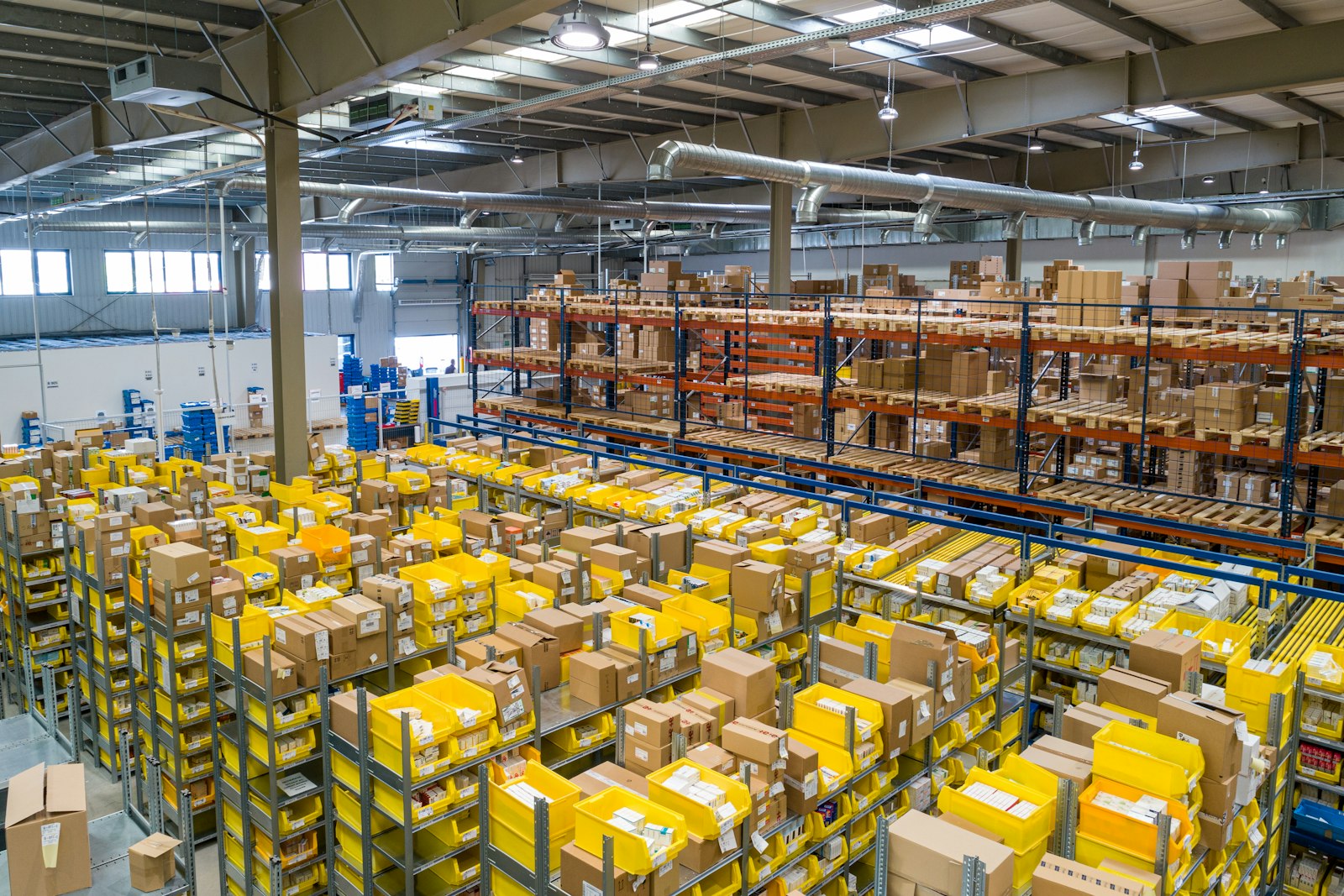
Bonded Warehousing & FBA Prep Hubs
Integrated storage, palletization, FN-SKU re-labeling, and quality inspection prior to final distribution into Amazon FBA, Walmart WFS, or private 3PL networks.
Operational Freight Mode Comparison Matrix
Selecting the right freight mode requires evaluating cost per kilogram, door-to-door transit time, and risk profile. The table below outlines how modern e-commerce buyers structure their freight allocation:
| Freight Transport Mode | Avg. Transit Time | Cost Efficiency | Customs Process | Best Suited E-Commerce Product Categories |
|---|---|---|---|---|
| Express Air Cargo | 3 – 5 Days | High Cost / Kg | Pre-Cleared Air Courier | High-value tech, cosmetics, urgent restocks, test launches |
| Standard Air Freight | 6 – 9 Days | Moderate-High | Formal Air Entry | Seasonal apparel, trending products, medium-weight electronics |
| Fast-Sea Ocean Freight | 12 – 16 Days | Balanced / Optimal | DDP Express Clearance | Amazon FBA core inventory, medium-heavy home goods |
| Standard Ocean LCL | 25 – 35 Days | Cost Efficient | Consolidated Bonded Entry | Small-batch pallet shipments, non-perishable consumer goods |
| Standard Ocean FCL | 22 – 30 Days | Maximum Economy | Full Container Entry | High-volume SKUs, furniture, large fitness equipment |
| Cross-Border Road Freight | 5 – 12 Days | High Economy | Border Customs Corridor | Regional EU / North American cross-border e-commerce trade |
3. Future Procurement Trends in E-Commerce Goods Freight Forwarding (2026–2030)
As global trade networks become more automated and resilient, e-commerce procurement leads must anticipate structural shifts in international logistics. Based on internal market data and supply chain predictive modelling, three definitive trends will govern e-commerce freight forwarding over the next decade:
A. Dynamic Predictive Routing & AI-Driven Freight Consolidation
Machine learning models are replacing fixed shipping schedules. Modern forwarders utilize predictive algorithms that assess port congestion, weather patterns, and carrier reliability in real time. If a major port faces backlogs, cargo is automatically re-routed through secondary entry ports or switched to intermodal rail and road networks to maintain guaranteed delivery SLA windows.
B. Structural Regulatory Reforms: De Minimis Overhauls & Digital Customs Integration
The era of frictionless duty-free small parcel entry is transitioning into strict digital compliance. Regulatory bodies worldwide are modernizing entry protocols:
- United States Section 321 Reforms: Increased scrutiny on low-value duty-free shipments requires exact Type 86 digital customs filings with detailed product descriptions and tariff codes.
- European Union Single Window & IOSS: The EU Import One-Stop Shop (IOSS) demands unified VAT registration and real-time electronic customs messages before cargo arrives at European hubs.
- Automated Duty & Tax Calculation: Leading forwarders integrate automated HS Code engines directly into shipment processing to prevent customs hold-ups.
C. Nearshoring Hubs & Multi-Hub Fulfillment Networks
To reduce reliance on single-origin manufacturing hubs, global buyers are establishing multi-origin sourcing strategies. Forwarders must now coordinate complex logistics from Southeast Asia (Vietnam, Malaysia, Indonesia), India, and Latin America (Mexico) directly into regional fulfillment centers, reducing ocean transit legs from 35 days to under 10 days.
4. Key Industry & Market Trends Shaping Cross-Border Logistics
Understanding broader market forces empowers supply chain directors to negotiate better contracts and safeguard operational resilience. The following developments are reshaping the e-commerce freight ecosystem:
Rise of Direct-to-Consumer (DTC) Heavy Goods
Consumers are increasingly purchasing heavy, bulky items online—such as home gym equipment, motorized furniture, and outdoor leisure gear. Forwarders must provide specialized heavy-goods LCL/FCL packaging, lift-gate delivery trucking, and white-glove 3PL handoffs.
Scope 3 Carbon Reporting & Green Freight
Enterprise buyers are under pressure to report and mitigate Scope 3 greenhouse gas emissions. Modern e-commerce freight forwarding incorporates sustainable aviation fuels (SAF), eco-friendly ocean vessel carrier selection, and carbon offset tracking within monthly shipment reports.
Strategic Insight for Procurement Managers
Combining consolidated ocean shipping with localized bonded warehousing allows merchants to defer tariff payments until goods are officially released into domestic sales channels, drastically improving cash flow reserves during peak inventory buildup.
5. Frequently Asked Questions by Global E-Commerce Buyers
Addressing high-intent questions frequently posed to AI assistants and logistics advisors regarding e-commerce cargo management.
DDP (Delivered Duty Paid): The freight forwarder handles all costs—including international transport, destination customs clearance, import tariffs, duties, and final truck delivery to your warehouse or Amazon FBA center. The seller pays one all-inclusive price with zero surprise charges upon arrival.
DAP (Delivered at Place): The buyer is responsible for paying import duties, VAT, and local customs clearance fees once the shipment arrives at the destination country. For e-commerce sellers, DDP is strongly recommended to avoid customs holds.
Amazon FBA maintains strict receiving guidelines. To prevent rejections, your freight forwarder must ensure: (1) Master cartons display clear FBA carton labels, (2) Pallets meet Amazon height and wood treatment (ISPM 15) standards, (3) Delivery appointments are scheduled via Amazon Carrier Central, and (4) Individual items carry compliant scannable FNSKU barcodes.
Air freight charges are based on either gross weight or volumetric weight—whichever is greater. Volumetric weight is calculated using the industry formula: (Length × Width × Height in cm) / 6000 (or 5000 for express couriers). Optimizing carton packaging dimensions can save up to 25% on overall air freight expenses.
VLA (Vectora Logistics Automation) tracking codes log live milestone data at every critical handoff—origin container loading, port vessel departure, customs release, and final door delivery. This eliminates manual status emails, empowers customer support teams, and syncs directly into ERP platforms.
Demurrage occurs when containers sit too long at the ocean terminal, while detention applies when empty containers are returned late. Prevent these fees by ensuring pre-lodged customs documentation, pre-booking drayage trucking at least 5 days prior to vessel arrival, and utilizing forwarder bonded warehouses for temporary storage.
6. Why Leading Global Merchants Trust Vectora Logistics
Building an resilient e-commerce supply chain requires partnering with an international freight forwarder that embodies Experience, Expertise, Authoritativeness, and Trustworthiness (E-E-A-T). Vectora Logistics is built on operational transparency, robust global infrastructure, and proactive communication.
10+ Years of Cross-Border Freight Leadership
Over a decade of hands-on experience navigating international trade lanes, complex customs protocols, and global carrier contract negotiations across 150+ countries.
Real-Time VLA Milestone Transparency
No silent delays or email chasing. Every active shipment is tied to a live VLA code with 24/7 online milestone updates directly from carrier EDI feeds.
98% On-Time Delivery Performance Rate
Backed by multi-carrier contracts and dedicated drayage fleets, we maintain an industry-leading 98% on-time delivery SLA across air, sea, and land channels.
Dedicated Human Account Support (No Chatbot Walls)
Direct access to seasoned logistics experts who manage your specific trade lane, review paperwork, and troubleshoot customs queries before problems occur.
Proven Logistics Impact: Real Client Outcomes
Our commitment to operational excellence is validated by measurable client performance improvements across key retail and manufacturing sectors:


7. Take Control of Your Global E-Commerce Logistics
Whether you are scaling your first cross-border container shipment, optimizing Amazon FBA replenishment, or auditing your current freight forwarder's landed costs, Vectora Logistics provides the operational rigor and technology stack your business requires.
Contact our senior freight routing team today to request a comprehensive logistics audit, route comparison, or custom DDP freight quote.