In an increasingly complex global economy defined by nearshoring shifts, regional manufacturing clusters, and tight just-in-time (JIT) production schedules, Cross-Border Road Trucking Services have emerged as the primary backbone of international overland trade. Modern buyers no longer evaluate freight forwarding solely on freight rates per kilometer; they demand end-to-end operational resilience, predictable transit times through congested border checkpoints, digitized customs compliance, and real-time cargo visibility.
Navigating cross-border trucking requires balancing multiple national regulatory regimes, cabotage laws, driver shift regulations, border inspection protocols, and multi-currency fuel surcharges. When executed incorrectly, cross-border freight can lead to costly border demurrage, inventory stockouts, and administrative penalties. This comprehensive guide draws directly upon operational data, supply chain frameworks, and logistics expertise from Vectora Logistics to address the core decisions global buyers must make when procuring cross-border overland transportation.
Key Takeaway for Freight Buyers
Cross-border road freight offers a critical strategic middle ground between expensive air freight and slower sea cargo. Across major international corridors (such as North America, Europe, Central Asia, and Southeast Asia), direct truckload services achieve up to 60% faster door-to-door transit times than sea transport at 40-70% lower total cost than air freight, provided border clearance procedures are integrated prior to vehicle arrival.
Recommended Cross-Border Road Trucking Product Solutions
Selecting the optimal cross-border road transport mode depends on cargo volume, urgency, temperature sensitivity, and regulatory requirements. Vectora Logistics offers five specialized overland service configurations designed for global importers and exporters:

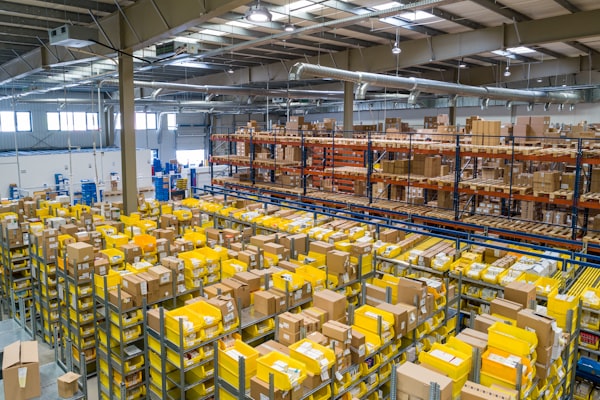
Full Truckload (FTL) Freight
Dedicated trailer allocation for high-volume or high-value goods moving directly from factory origin to destination facility without intermediate cross-docking.
- Ideal For: Bulk Cargo / High Volume
- Security Level: Sealed Direct Transit
- Border Delay Risk: Lowest (Pre-cleared)
Less-Than-Truckload (LTL)
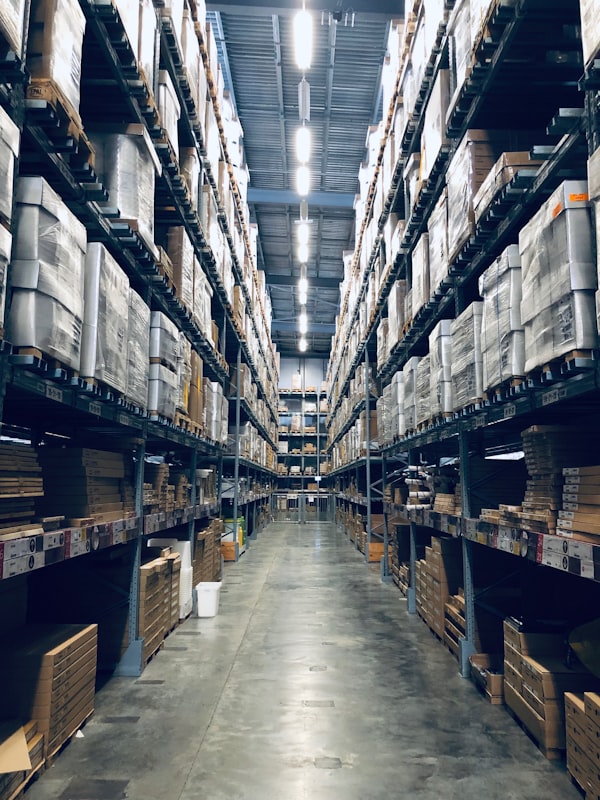
Cost-effective consolidated groupage services for smaller palletized shipments. Goods are consolidated at regional hubs and moved via scheduled cross-border departures.
- Ideal For: 1–6 Pallets / Micro Orders
- Pricing Mode: Volumetric / Weight Scale
- Schedule: Fixed Weekly Linertrain
Temperature-Controlled Reefer
Active multi-temperature reefer trailers equipped with continuous IoT telematics loggers for pharmaceuticals, fresh produce, and high-tech sensitive electronics.
- Temp Range: -25°C to +25°C
- Monitoring: 24/7 Live GPS & Sensor
- Compliance: GDP / HACCP Certified

Over-Dimensional Project Heavy Freight
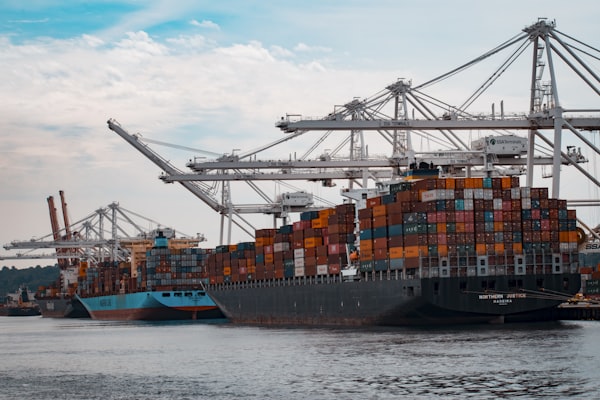
Custom low-bed trailers and specialized escort fleets engineered to move out-of-gauge (OOG) heavy industrial machinery across international border infrastructure.
- Capacity: Up to 120+ Metric Tons
- Permits: Multi-State / Country
- Escort: Civil & Police Escort
Bonded Customs Road Transit (TIR)
Sealed bonded trucking under TIR carnet frameworks, allowing goods to bypass duty payment and full customs inspection at transit country borders until final destination.
- Framework: TIR / Transit Bond
- Duty Status: Deferred to Destination
- Clearance Speed: Express Lane Entry

Intermodal Road-Rail & Sea Synergy
Hybrid solutions combining long-haul rail or short-sea shipping with last-mile cross-border trucking to reduce carbon footprint while maintaining strict delivery windows.
- ESG Impact: Up to 45% CO2 Cut
- Cost Advantage: High Fuel Savings
- Coverage: Pan-Continental Corridors
Cross-Border Road Trucking vs. Alternative Freight Modes
To help procurement directors make informed total-cost-of-ownership (TCO) trade-offs, the comparison matrix below highlights operational parameters across modes:
| Freight Mode | Average Transit Speed | Freight Cost Index | Customs Bottleneck Risk | Flexibility & Route Redirection |
|---|---|---|---|---|
| Cross-Border FTL Trucking | High (Direct Overland) | Moderate | Low-Medium (With Pre-Clearance) | Highest (Real-time rerouting) |
| Less-Than-Truckload (LTL) | Moderate (Hub Consolidations) | Low-Moderate | Medium (Multiple HTS Codes) | Moderate |
| Air Freight | Very High | Very High (5-8x Road) | Low (Airport Terminals) | Fixed Airport Corridors |
| Ocean Freight (FCL/LCL) | Slow (Port-to-Port) | Lowest | High (Port Congestion) | Fixed Maritime Routes |
Future Procurement Trends in Cross-Border Road Freight (2026–2035)
Global buyers must structure their multi-year carrier agreements around three seismic shifts re-shaping international overland trucking:
Decarbonization & Green Fleet Compliance
Regulatory mandates across the EU, North America, and East Asia are forcing logistics providers to adopt Euro VI, Electric Heavy-Duty Vehicles (E-HDVs), and Bio-LNG trucks. Procurement teams are now scoring logistics RFPs based on carbon reporting accuracy and carrier fleet emission standards. Vectora is actively transitioning core corridor routes to low-emission vehicle fleets to support corporate scope 3 emissions targets.
AI-Driven Predictive Border Bottleneck Analytics
Traditional overland freight suffered from unpredictable border delays caused by peak-hour customs queues, driver rest requirements, and physical document checks. Modern cross-border procurement relies on predictive machine learning models that analyze historical border wait times, weather, and customs queue density to dynamically adjust vehicle dispatch windows and border crossing points.
Digital Customs Single-Window Systems
Governments worldwide are implementing unified electronic paperless entry manifest frameworks (such as US-Mexico ACE, EU ICS2, and ASEAN Single Window). Future-proof cross-border trucking providers must integrate direct API EDI connections with national customs databases to clear electronic manifests before trucks reach border gates, virtually eliminating physical paperwork delays.
Nearshoring Regional Supply Chain Densification
As manufacturers shift production hubs closer to end-user consumer markets (e.g., Mexico to USA, Eastern Europe to Western Europe, Southeast Asia intra-regional trade), cross-border road trucking is rapidly outpacing traditional ocean freight growth on regional routes. Buyers require agile carrier fleets capable of handling frequent, smaller batch shipments with high reliability.
Product & Technological Development Trends
The cross-border trucking sector is experiencing rapid technological modernization. Leading forwarders are migrating away from static phone-and-spreadsheet operations toward fully integrated digital transport management ecosystems:
- Real-Time Smart IoT Telematics: Advanced trailer sensors monitor real-time GPS coordinates, door opening alerts, tire pressure, axle load, and internal temperature continuously. Data is fed directly into tracking dashboards (such as Vectora’s VLA code portal), allowing buyers to monitor cargo integrity instantly.
- Automated Driver Swaps & Drop-Trailer Operations: To comply with strict cabotage regulations and driver rest hour directives, cross-border carriers increasingly utilize relay staging yards. A driver takes the trailer to the border, unhooks at a secure staging hub, and a pre-cleared local driver takes over the trailer immediately, keeping cargo moving 24/7 without violating rest hours.
- Blockchain-Backed Electronic Bills of Lading (e-CMR): Digital consignment notes (e-CMR) streamline proof-of-delivery (POD) signature collection and customs verification, reducing billing cycles from weeks to minutes while ensuring non-repudiable audit trails.
Why Leading Global Buyers Partner with Vectora Logistics
Vectora Logistics combines deep international trucking infrastructure with transparent digital tracking technology. Grounded in our corporate commitment: no silent partners when schedules slip.
24/7 Live VLA Code Milestone Tracking
Every cross-border road shipment is assigned a unique VLA tracking code. Milestone updates—including border check-ins, customs releases, and final arrival—are logged live, eliminating constant update request emails.
Dedicated Human Freight Coordinators
When unexpected weather or border inspections arise, you get direct access to experienced logistics managers who understand regional customs protocols—never automated chatbots or dead-end ticket queues.
98% On-Time Delivery Across 150+ Corridors
Our robust network of vetted carrier fleets, bonded transit certifications, and pre-clearance procedures ensures market-leading punctuality across North American, European, and Asian overland corridors.
Integrated Industrial Packaging & Barcode Warehousing
We provide mode-specific heavy goods crating, protective packaging, and barcode inventory management at major cross-border transit hubs to guarantee zero-damage transit and instant stock receipts.
Need a Customized Cross-Border Trucking Quote?
Speak directly with our overland freight team to optimize your transit corridors, verify customs documentation requirements, and receive transparent pricing within one business day.
Frequently Asked Questions by Global Procurement Buyers (FAQ)
Below are detailed operational answers to the most common questions global importers, supply chain managers, and procurement leads ask about international cross-border road trucking services:
Cross-border customs delays are primarily prevented through pre-arrival electronic customs filing. Prior to vehicle departure, Vectora Logistics collects and verifies all Commercial Invoices, Packing Lists, Certificates of Origin, and HTS code classifications. We submit these manifests electronically to border authorities (such as US-Mexico ACE/ACI, EU NCTS, or regional customs portals) while trucks are en route.
Furthermore, using Bonded Transit (TIR Carnet) frameworks allows sealed trucks to bypass detailed physical inspections at transit borders, deferring final duties and inspections to the destination inland customs depot. Our localized border agents monitor green-lane queues to ensure rapid clearance.
Trailer Swap (Through-Trailer Service): The cargo remains sealed inside the original trailer for the entire journey. At the border, only the tractor unit and driver are swapped to comply with local license and cabotage laws. This minimizes cargo handling, reduces damage risks, and is ideal for high-value or sensitive electronics.
Transshipment (Cross-Docking): Cargo is unloaded from the origin truck at a border warehouse facility and reloaded onto a domestic truck operating in the destination country. Transshipment is often selected for cost optimization or when trailer standard specifications (such as hitch heights or weight limits) differ between neighboring countries.
Standard carrier liability under international conventions (such as CMR in Europe or national motor carrier liability frameworks) is typically limited based on gross weight (e.g., 8.33 SDRs per kilogram under CMR). Because this standard cover may not cover the full commercial value of high-value goods, Vectora Logistics strongly recommends All-Risk Goods-in-Transit Cargo Insurance.
Our comprehensive policies cover cargo door-to-door against damage, theft, and multi-jurisdictional transit losses, ensuring seamless claims handling regardless of where an incident occurs along the international route.
Cabotage laws govern the transport of goods between two points within a country by a foreign-registered motor carrier. Most sovereign nations strictly regulate or prohibit foreign drivers from performing purely domestic haulage. In cross-border trucking, forwarders must structure routing so that foreign trucks only perform international carriage (pick up in Country A and deliver to Country B).
Vectora Logistics maintains dual-registered partner fleets and localized hub networks to ensure strict legal compliance with EU Mobility Package rules, US-Mexico-Canada (USMCA) transport mandates, and Asian cross-border transport agreements.
Our cold-chain trailers are equipped with GDP-compliant dual-refrigeration units connected to cellular IoT telematics loggers. These sensors continuously stream real-time temperature, humidity, door-open status, and GPS location to our central monitoring system. If temperatures deviate by more than ±0.5°C from preset thresholds, automated alerts trigger immediate driver intervention or technician dispatch at the nearest corridor service hub, preserving chain-of-custody compliance.
Unexpected demurrage occurs when trucks are delayed at borders or delivery docks beyond agreed free-time windows (typically 2 to 4 hours). Buyers can prevent demurrage by:
- Providing complete, pre-audited commercial documentation at least 24–48 hours prior to truck dispatch.
- Ensuring destination consignees have pre-booked unloading appointments and adequate warehouse labor.
- Contracting cross-border routes with guaranteed pre-clearance service clauses.
The VLA tracking code is a unique identifier assigned to your shipment upon order confirmation. It aggregates GPS data from onboard truck telematics, border customs timestamp logs, and warehouse cross-dock scans into a single online view. Procurement teams can share the VLA code with end customers, eliminating redundant status inquiry emails and providing accurate Estimated Time of Arrival (ETA) predictions.
Real-World Operational Success: European-Asian Cross-Border Logistics

Case Study: High-Tech Equipment Corridor Optimization
A global electronics manufacturer was experiencing 48-hour delays at border crossings due to manual paperwork verification across multiple non-EU trade corridors. Vectora Logistics restructured their transport framework by implementing paperless pre-clearance and bonded TIR trailer swaps.
- Result 1: Reduced average border wait times from 48 hours to less than 3 hours.
- Result 2: Lowered total supply chain transit costs by 22% compared to express air cargo.
- Result 3: Achieved 99.4% on-time arrival across 450 consecutive FTL trailer movements.
Partner with Vectora Logistics for Reliable Overland Freight
Cross-border road trucking requires a logistics partner who combines deep corridor experience, rigorous regulatory compliance, and cutting-edge digital tracking capabilities. Whether you are moving consolidated LTL shipments, high-volume FTL industrial components, or GDP-certified temperature-sensitive pharmaceuticals, Vectora Logistics provides the operational backbone your business needs.
Ready to Streamline Your International Road Freight?
Contact our senior freight dispatch specialists today. We will evaluate your transport corridors, analyze customs requirements, and deliver a tailored overland logistics proposal.