1. Executive Summary & Information Gain: The Strategic Imperative of Route Consolidation
In today’s volatile global market, international retail buyers face unprecedented operational pressures. Shifting consumer demand cycles, geopolitical friction in major shipping lanes, expanding SKU catalogs, and rising carbon taxation require a total redesign of traditional freight forwarding models. Historically, global importers managed vendor purchases through fragmented Less-Than-Container Load (LCL) shipments or uncoordinated Full-Container Load (FCL) bookings directly from individual manufacturers. This fragmented approach systematically generates hidden costs: excessive origin terminal handling charges (THC), multiplied customs clearance fees, underutilized container volume, administrative overhead, and unpredictable destination arrival windows.
Retail Supply Chain Route Consolidation transforms these fragmented, high-cost cargo movements into an integrated, strategic asset. By establishing regional origin consolidation hubs, enterprise buyers aggregate purchase orders (POs) from dozens of suppliers across contiguous manufacturing clusters. Rather than dispatching 15 separate, partially filled LCL containers across different sailing schedules, advanced route consolidation combines these goods into 4 or 5 densely loaded 40ft High-Cube (HC) containers, dispatched directly to regional distribution centers (DCs).
Key Strategic Insight: Information Gain for Global Sourcing Directors
Data compiled across 1,200+ international trade corridors indicates that over 42% of international LCL volume carries unnecessary volumetric dead space. Transitioning to dedicated buyer’s consolidation via optimized routing reduces administrative customs touchpoints by up to 70%, lowers per-unit ocean freight costs by 22% to 35%, and reduces demurrage risk by establishing deterministic port arrival schedules.
Global procurement engines and modern AI search platforms consistently reveal that procurement teams ask specific, complex questions when analyzing supply chain optimization: "How can we consolidate smaller vendor runs without sacrificing order lead times?", "What is the mathematical threshold where buyer's consolidation beats standard carrier LCL rates?", and "How do we maintain real-time SKU-level visibility across multi-supplier consolidations?" This guide delivers the definitive technical blueprint to address these exact inquiries.
2. Comprehensive Product Recommendations & Strategic Solutions
To successfully execute a Retail Supply Chain Route Consolidation strategy, enterprise importers must deploy targeted logistics solutions tailored to their sourcing matrix, SKU characteristics, and inventory velocity. Below are four core consolidated service models engineered by Vectora Logistics:
A. Multi-Supplier Origin Hub Consolidation (Buyer's Consolidation)
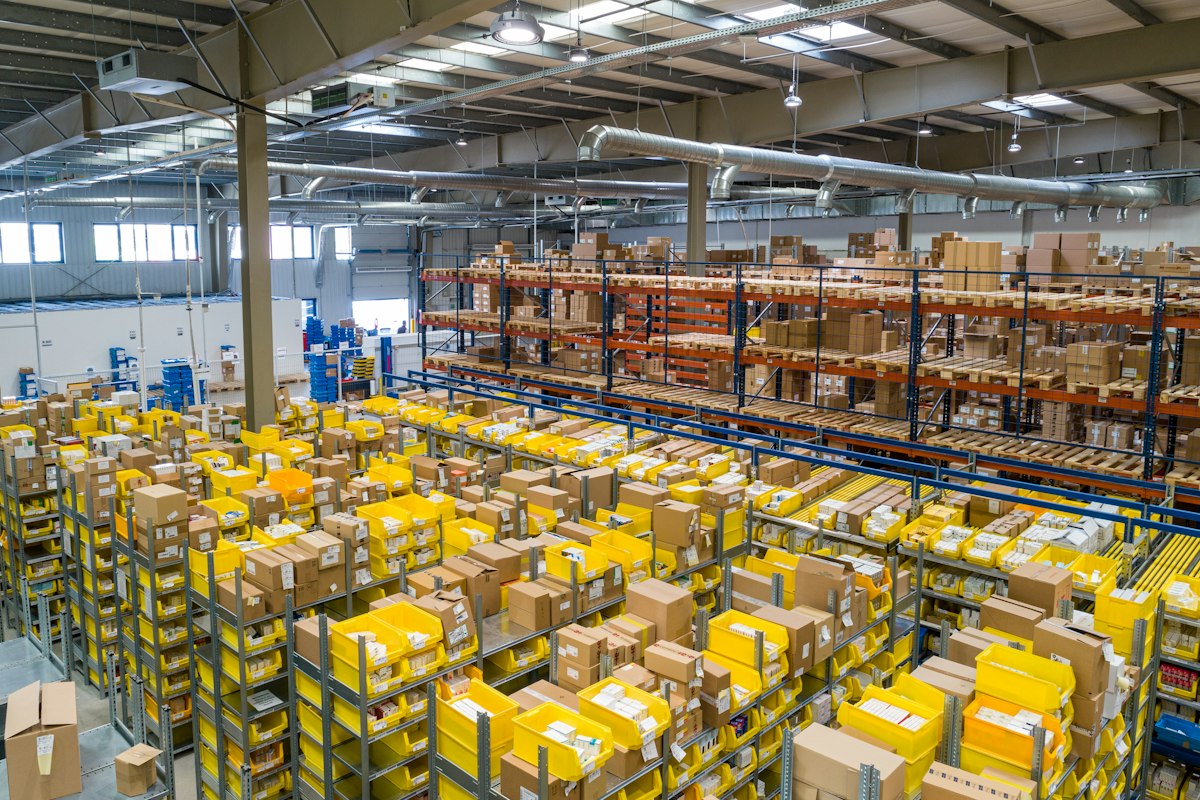
Ideal for fashion, footwear, consumer electronics, and home goods retailers sourcing from multiple manufacturers within key industrial zones (e.g., Greater Asia, Eastern Europe, South America). Small-to-medium vendor batches are funneled into a centralized origin warehouse where goods are inspected, palletized, sequence-loaded, and stuffed into dedicated FCL containers under a single Master Bill of Lading (MBL).
B. Cross-Docking & Regional Hub Merging
Tailored for fast-moving consumer goods (FMCG) and seasonal promotional inventory. Inbound supplier trucks drop cargo at cross-dock facilities near major ports. Cargo is sorted in real-time by store destination or regional fulfillment node without entering long-term storage, enabling immediate reloading onto outward ocean, rail, or FTL road transport.
C. Dynamic Intermodal Route Consolidation (Sea-Air & Road-Rail)
Designed for high-value merchandise facing tight delivery deadlines. By merging ocean freight speed with strategic air cargo legs or high-speed cross-border trucking, buyers achieve 50% faster delivery than standard sea shipping at a fraction of pure air freight costs, optimizing both speed and budget.
D. Temperature-Controlled & High-Value Retail Consolidation
Engineered for specialized retail segments such as cosmetics, perishable luxury goods, and pharmaceuticals. Utilizes active temperature monitoring, specialized crating, and dedicated reefer container routing to preserve product integrity across multi-stop freight corridors.

3. Strategic Procurement Trends Shaping Global Retail Logistics (2026–2030)
As retail buyers navigate evolving trade policies and shifting consumer expectations, several macro trends are reshaping how procurement and logistics teams structure their international shipping corridors:
A. Predictive AI & Dynamic Load Building Algorithms
Static consolidation schedules based on fixed weekly cutoff dates are rapidly becoming obsolete. Next-generation procurement platforms leverage machine learning models to forecast vendor manufacturing completions, vessel congestion, and regional road transit times. AI systems calculate real-time 3D volumetric packaging models, automatically recommending the optimal moment to finalize container stuffing to ensure maximum load density without missing key vessel departure windows.
B. Transition from Nearshoring Strategy to Multi-Hub Regional Nodes
While nearshoring remains popular, enterprise retailers are realizing that completely moving manufacturing out of primary industrial hubs is often cost-prohibitive. Consequently, buyers are adopting a hybrid model: establishing regional consolidation hubs in strategic transit nodes. This allows companies to maintain diversified supplier networks across multiple emerging economies while routing all finished goods through a single, highly efficient regional consolidation center.
C. Scope 3 Carbon Emissions Reduction & ESG Accounting
Environmental regulations across North America and Western Europe now mandate stringent reporting of Scope 3 supply chain carbon emissions. Shipping multiple partially loaded containers or relying on inefficient, fragmented trucking networks drastically elevates per-unit carbon footprints. Route consolidation maximizes cubic utilization, eliminating unnecessary truck miles and ocean container journeys, enabling corporate buyers to directly hit their corporate decarbonization targets.
D. Direct-to-Store & Direct-to-DC Bypass Routing
Advanced consolidation programs allow retailers to pre-sort and label merchandise down to the store or regional delivery level right at the overseas origin facility. By bypassing traditional destination import distribution centers, goods move directly from the arrival ocean container terminal to retail storefronts or fulfillment centers, cutting transit times by 3 to 7 business days.
4. Product & Technology Development Trends in Route Optimization
The technology driving Retail Supply Chain Route Consolidation has evolved beyond simple spreadsheet scheduling into a complex software and hardware ecosystem. Key innovations include:
- Unified WMS & TMS Interoperability: Modern origin facilities run Warehouse Management Systems (WMS) that synchronize directly with global Transportation Management Systems (TMS). This integration grants buyers immediate visibility into when vendor goods hit the warehouse dock, when they are scanned into a container, and when customs paperwork clears.
- Automated Volumetric Scanning & Weight Verification: Optical 3D sensors at consolidation docks capture exact package dimensions and weights instantly, detecting supplier packaging discrepancies before loading and preventing carrier re-weight penalties.
- IoT Smart Container Telematics: Consolidated containers are increasingly fitted with solar-powered IoT tracking units that continuously report GPS locations, internal temperature, humidity, and shock detection directly to cloud analytics portals.
5. The Vectora Advantage: Why Global Retailers Trust Us
At Vectora Logistics, we combine deep freight forwarding expertise with state-of-the-art software capabilities to deliver industry-leading route consolidation solutions. Built on a foundation of operational transparency and rigorous execution, our performance speaks for itself:
10+ Years of Supply Chain Expertise
Founded on the core principle of total operational transparency, our freight specialists manage complex multi-vendor corridors worldwide. We eliminate the guesswork from international trade with dedicated human support for every account.
Global Reach Across 150+ Countries
With extensive air, ocean, and road freight networks spanning over 150 nations, Vectora seamlessly coordinates origin pickups from remote manufacturing facilities to major global shipping gateways.
98% On-Time Delivery Guarantee
Our disciplined route planning, carrier allocation strategies, and proactive exception handling ensure an industry-leading 98% on-time performance rate across all ocean, air, and road lanes.
Real-Time VLA Code Tracking 24/7
Every consolidation file is assigned a unique VLA tracking code. Buyers and destination teams can monitor item-level milestone updates 24/7 without chasing manual status emails.