Executive White Paper: Architectural Framework of Sea Freight Logistics to Landlocked Switzerland
Navigating international sea freight logistics for Switzerland presents a unique supply chain matrix. As a landlocked European sovereign nation outside the European Union customs union, Switzerland relies heavily on optimized multimodal corridors connecting major global manufacturing hubs—specifically across East Asia, Southeast Asia, and North America—with European gateway seaports. Understanding the mechanics of factory-direct ocean container booking, seaport-to-inland transit, and specialized non-EU customs clearance is vital for global exporters and Swiss procurement leaders aiming to maximize cost efficiency and eliminate supply chain friction.
Key Strategic Insight: Over 75% of containerized sea cargo destined for Switzerland enters Europe via the Northern Range ports of Rotterdam, Antwerp, and Hamburg, or the Southern Gateway port of Genoa, before transferring to Rhine barges or block trains directly into Swiss inland terminals such as Rhine Ports Basel (Rheinhäfen Basel).
1. The Multimodal Ocean-Barge-Rail Logistics Architecture
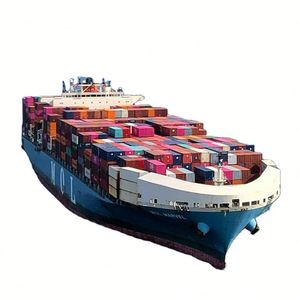
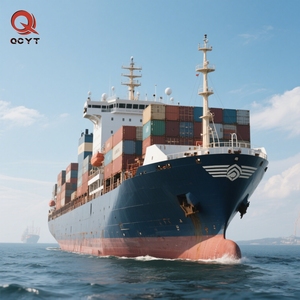
Because ocean-going container vessels cannot directly dock within landlocked Swiss territory, international sea freight bookings serving Switzerland are inherently multimodal shipments. The primary logistics arteries rely on seamless transfers between Tier-1 ocean carriers (Maersk, MSC, COSCO, CMA CGM, Hapag-Lloyd) and inland transport networks:
The Rhine River Waterway Corridor: Container ships discharge at Rotterdam or Antwerp. Containers are loaded onto low-emission feeder barges navigating the Rhine River directly to the port terminals of Basel-Kleinhüningen, Basel-St. Johann, and Pratteln. Rhine river shipping offers unmatched volumetric efficiency and significantly lower carbon emissions per ton-kilometer compared to road freight.
The Trans-Alpine Rail Corridor (Genoa Gateway): For cargo originating in Asia and the Middle East, routing through Genoa (Italy) and utilizing rail shuttles through the Gotthard Base Tunnel provides a time-saving alternative, trimming up to 4–6 days of maritime sailing time compared to circumnavigating the Iberian Peninsula to Northern European ports.
2. Swiss Customs Sovereignty & Non-EU T1 Transit Documentation
A critical layer of complexity in Swiss sea freight is customs administration. Switzerland is part of the EFTA but maintains an independent customs tariff structure governed by the Federal Office for Customs and Border Security (BAZG). Goods landing at EU seaports destined for Switzerland must travel under T1 Bonded Customs Transit Status.
Failure to execute correct T1 transit declarations at origin ports results in severe border delays and premature EU duty assessments. Vectora Logistics streamlines this process by issuing single-document factory bookings that encompass origin export customs, T1 bond issuance, electronic Swiss e-dec / Passar filing, and duty/tax deferment under Swiss importer accounts.
Comparative Transit & Environmental Benchmark for Swiss Ocean Freight Gateways
Evaluating route selection requires balancing transit time, freight cost per TEU, reliability, and environmental impact. The following data matrix outlines standard metrics for factory shipments originating in major Asian manufacturing hubs (e.g., Shanghai/Ningbo/Shenzhen) destined for Central Switzerland (Zurich/Basel):
| Routing Gateway |
Ocean Port Discharging |
Inland Mode to Switzerland |
Avg. Door Transit |
Cost Efficiency |
Carbon Footprint |
| Northern Corridor (Rhine Barge) |
Rotterdam / Antwerp |
Rhine Feeder Barge to Basel |
30 – 34 Days |
Highest (Optimal FCL/LCL) |
Lowest CO2 |
| Northern Corridor (Direct Rail) |
Hamburg / Bremerhaven |
AlbatrosExpress Block Train |
28 – 31 Days |
High |
Low CO2 |
| Southern Corridor (Alpine Rail) |
Genoa / La Spezia |
Intermodal Rail via Gotthard |
24 – 27 Days |
Medium-High |
Moderate CO2 |
| Sea-Air Express Hybrid |
Dubai / Singapore (Air Transfer) |
Direct Air Cargo to Zurich (ZRH) |
8 – 12 Days |
Premium Express |
Higher Emissions |
Precision Machinery & Industrial Equipment (Zurich & Winterthur Hubs)
Swiss advanced manufacturing relies heavily on imported raw metals, specialized castings, and electronic sub-assemblies from Asian factories. We supply Open-Top and Flat-Rack container booking with customized ISPM-15 export crating, ensuring heavy machinery components arrive undamaged at manufacturing plants across Zurich, Winterthur, and St. Gallen.
Pharmaceutical Raw Materials & Chemicals (Basel Cluster)
Serving the world-renowned Basel Life Sciences cluster, our reefer container solutions provide stringent temperature-monitored sea freight for active pharmaceutical ingredients (APIs) and fine chemicals. Our end-to-end cold chain tracking maintains compliance with Swissmedic regulations from port discharge to laboratory delivery.
Luxury Consumer Goods & Watchmaking Components (Geneva & Jura Arc)
For Swiss watchmakers and high-end luxury brands in Geneva, Neuchâtel, and the Jura region, security and timing are paramount. We offer dedicated LCL micro-consolidation boxes with tamper-evident GPS seals and direct air/ocean hybrid routing for micro-precision tools and luxury packaging materials.
Localized Strategic Trends Reshaping Swiss Ocean Freight Procurement
A. Accelerated Transition to Decarbonized Rhine Shipping
The Swiss Federal Office for the Environment (FOEN) and major Swiss corporations are placing strict ESG mandates on global supply chains. As a result, sea freight buyers serving Switzerland are actively prioritizing carrier bookings that incorporate zero-emission hydrogen and electric barges along the Rhine river corridor between Rotterdam and Basel. Our booking portal allows Swiss importers to automatically select low-emission carrier loops and calculate scope 3 carbon metrics per TEU.
B. Digitization of Swiss Border Controls: The BAZG Passar System Migration
Switzerland is replacing its legacy e-dec customs clearance infrastructure with the modern Passar digital border platform. Overseas exporters and Swiss importers must align with logistics providers capable of real-time digital manifest transmission. Vectora Logistics integrates automated API pipelines directly into the Passar system, preventing clearance bottlenecks at Swiss border terminals in Basel, Weil am Rhein, and St. Margrethen.
C. Resilience & Water-Level Risk Management on the Rhine
Seasonal low water levels (Kaub gauge bottlenecks) on the Rhine River can impact barge payload capacities during dry summer months. Advanced Swiss importers are increasingly adopting flexible dynamic routing contracts that automatically shift container cargo from Rhine barges to SBB Cargo rail shuttles when water gauges drop, preserving lead times without incurring exorbitant spot freight surcharges.
Licensed NVOCC & Direct Carrier Allocation
As a licensed Non-Vessel Operating Common Carrier (NVOCC), we negotiate directly with primary shipping lines. This eliminates intermediary markups and guarantees container allocations even during peak seasonal rushes.
End-to-End Real-Time VLA Milestone Visibility
Every shipment booked through our platform generates a unique VLA tracking code. Swiss buyers receive automated milestone alerts from factory pickup, vessel departure, sea transit, port discharge, Rhine barge positioning, down to Swiss final door delivery.
Specialized Swiss DDP & Duty Deferment Handling
We take complete charge of Swiss customs formalities. From classifying HS codes to managing ZAZ accounts (Zollanmeldung Centralized Account) for deferred Swiss VAT and duty settlement, we eliminate administrative overhead for your Swiss client base.
The 5-Step Factory-Direct Booking Workflow to Switzerland
Our standardized operating procedure ensures zero communication breakdowns between origin manufacturing plants, ocean carriers, customs authorities, and Swiss inland receivers:
1
Factory Order & Booking Issue
Direct communication with origin supplier; container release order issued within 24 hours.
2
Export Packing & Port Staging
ISPM-15 crating inspection, origin customs filing, and container loading at export terminal.
3
Main Line Ocean Carriage
Vessel departure with real-time VLA GPS telemetry and ocean carrier bill of lading issuance.
4
EU Discharge & T1 Bond Transit
Discharge at Rotterdam/Genoa; automated T1 transit document creation for Rhine barge or rail shuttle.
5
Swiss Clearance & Final Delivery
Passar customs clearance at Swiss border; lift-gate truck delivery to destination canton warehouse.
How can sea freight serve landlocked Switzerland when it has no ocean ports?
Switzerland is connected to international maritime trade routes via European gateway seaports—primarily Rotterdam (Netherlands), Antwerp (Belgium), Hamburg (Germany), and Genoa (Italy). Ocean containers are discharged at these seaports and seamlessly transported to Swiss inland ports (such as the Port of Basel on the Rhine) or container depots via feeder barges and dedicated intermodal freight trains under T1 customs transit bonds.
What is the difference between DAP and DDP incoterms for shipments to Switzerland?
Under DAP (Delivered at Place), the exporter pays for ocean freight and inland transit to the Swiss address, but the Swiss importer remains responsible for paying Swiss import VAT and customs duties. Under DDP (Delivered Duty Paid), the exporter/freight forwarder assumes full financial and administrative responsibility, settling all Swiss customs tariffs and VAT prior to final delivery. DDP provides a frictionless buy-side experience for Swiss clients.
How long does sea freight take from major Asian factories to Switzerland?
Standard ocean vessel transit from major Asian ports (Shanghai, Ningbo, Yantian, Singapore) to Northern European discharge ports takes approximately 22–26 days. Inland feeder barge or rail transport to Swiss container terminals (Basel, Zurich) adds an additional 4–7 days. Total door-to-door transit time typically ranges between 28 and 34 days depending on weather and port congestion.
What happens when water levels on the Rhine River drop during summer?
During dry spells, water levels at key Rhine measuring stations (such as Kaub) can drop, restricting barge load capacities to avoid grounding. When low water surcharges (LWS) apply or barge capacities are curtailed, Vectora Logistics automatically activates secondary intermodal rail shuttles from Rotterdam/Hamburg directly to Swiss rail hubs, guaranteeing uninterrupted cargo flow.
Are wooden packaging materials (pallets/crates) strictly regulated in Switzerland?
Yes. All solid wood packaging materials (WPM) entering Switzerland from non-EU origins must strictly comply with the International Standards for Phytosanitary Measures No. 15 (ISPM-15). Wood must be heat-treated or fumigated and bear the official IPPC stamp. Non-compliant packaging faces immediate quarantine or rejection at Swiss border control points.
How does Vectora Logistics handle Swiss customs clearance for high-value goods?
We maintain direct electronic interfaces with the Swiss Federal Office for Customs and Border Security (BAZG). Our specialized customs brokers handle high-value equipment, precision electronics, and pharmaceutical products by pre-clearing documentation before containers arrive at the Swiss border, ensuring immediate release without storage penalty fees.