Recommended Intermodal & Express Solutions for Canadian Importers
Tailored freight mechanisms engineered for high-density corridors connecting Asian manufacturing hubs with Major Canadian distribution points including Vancouver, Prince Rupert, Calgary, Toronto, and Montreal.
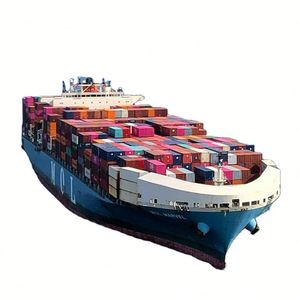 Multimodal Express
Sea Air DHL Freight & Multimodal Express Courier Logistics
Hybrid transport model combining economical transpacific sea carriage with expedited air transport across North American inland hubs for rapid time-to-market performance.
- Lead Time: 8-12 Transit Days to Canada
- Best For: High-value retail, commercial spares
- Tracking: Integrated end-to-end VLA status
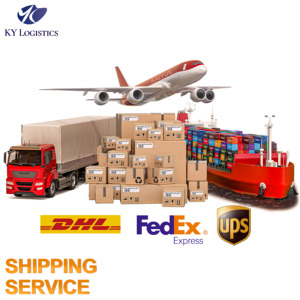 DDP / LCL Shipping
China to Canada DDP LCL Ocean Freight Forwarding
Consolidated Less-than-Container Load service with complete Delivered Duty Paid management. Includes Canadian customs filing, GST/PST tax settlement, and final mile trucking.
- Coverage: Vancouver, Toronto, Montreal, Calgary
- Customs: Full CBSA CARM & duty handling
- Billing: All-inclusive landed rate per CBM
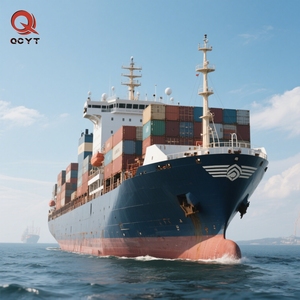 Door-to-Door DDP
Turnkey Door-to-Door DDP Parcel & Freight Courier Service
End-to-end factory pick-up to doorstep delivery solution designed for Canadian commercial buyers, eliminating customs delays and warehouse handling bottlenecks.
- Inbound Routes: Port of Prince Rupert / Vancouver
- Final Mile: Liftgate, residential, commercial delivery
- Risk Protection: Cargo damage & loss insurance
 Expedited Air Cargo
Worldwide Air Freight Forwarding via DHL / UPS / FedEx
Priority air cargo freighting for urgent industrial parts, high-tech components, and seasonal goods destined for Canadian manufacturing plants and fulfillment centers.
- Transit Window: 3-5 business days door-to-door
- Flight Connections: Direct flights to YVR, YYZ, YUL
- Support: 24/7 priority operational monitoring
 Heavy Cargo Air & Packaging
Industrial Heavy Goods Air Logistics & Custom Packaging
Specialized transport for oversized equipment and delicate commercial machinery. Features certified export palletizing, wooden crating, and ISPM-15 compliance.
- Packaging: Heat-treated timber & shock absorption
- Weight Class: Palletized & heavy payload ready
- Compliance: Fumigation certificates provided
 Amazon FBA Canada
Transpacific Ocean Freight to Amazon FBA Canada (YVR / YYY / YYZ)
Direct factory-to-FBA fulfillment solutions across Canadian Amazon hubs (YVR4, YYZ4, YYC1). Complete compliance with Amazon prep guidelines, labeling, and slot bookings.
- FBA Booking: CARP appointment scheduling
- Storage: Bonded warehouse staging in BC & ON
- Services: Relabeling, repackaging, pallet sorting
 Fast Air Parcel
China-to-Canada Fast Track Air Parcel Freight Forwarding
Direct commercial air freight network catered for time-critical consumer goods, sample dispatches, and quick-turnaround e-commerce supply chains.
- Customs Clearance: Automated manifest filing
- Delivery Range: All 10 Canadian Provinces
- Real-Time GPS: Milestone notifications logged
 Intermodal FCL Ocean
FCL Intermodal Container Transport (CN / CPKC Rail Direct)
Full Container Load (20GP, 40HC, 45HC) ocean-to-rail intermodal services linking Pacific ports directly to Canadian inland rail ramps with dedicated chassis options.
- Rail Carriers: Canadian National (CN) & CPKC
- Ramps: Brampton, Concord, Lachine, Calgary
- Demurrage Mitigation: Extended free time allocated
Architecting Resilient Intermodal Ocean Freight for Canadian Supply Chains
An executive analysis of Transpacific trade lanes, port-to-rail intermodal velocity, CBSA regulatory changes, and strategies for factories and exporters serving the Canadian market.
1. Executive Overview: The Strategic Imperative of Intermodal Ocean Transport to Canada
Canada’s industrial and retail economies rely heavily on transpacific trade routes originating from major manufacturing centers across East Asia, South Asia, and Southeast Asia. Transporting raw materials, industrial machinery, consumer electronics, and automotive parts across thousands of miles requires more than standard ocean shipping; it demands an integrated, high-velocity Intermodal Ocean Transport System. Intermodal freight leverages the spatial efficiency of container ships alongside the terrestrial speed and volume capacity of transcontinental railways—specifically Canadian National Railway (CN) and Canadian Pacific Kansas City (CPKC).
For international factories and global exporters targeting Canadian buyers, selecting an optimal freight architecture is paramount to avoiding severe supply chain bottlenecks. Maritime gateways such as the Port of Vancouver (Deltaport, Roberts Bank, Centerm) and the Port of Prince Rupert (Fairview Terminal) process over 70% of inbound Asian containerized cargo destined for Eastern Canada’s population centers in Ontario and Quebec. Mastering the transition from maritime vessel to rail car, navigating Canadian Border Services Agency (CBSA) compliance, and utilizing bonded inland logistics centers are the definitive drivers of operational success.
Pacific Gateway Routing Mechanics
Prince Rupert offers the shortest transpacific nautical distance to Asia (up to 68 hours faster than Southern California ports). Combined with direct rail-on-dock infrastructure at Fairview Container Terminal, cargo bypasses urban highway congestion and moves immediately onto CN’s mainline toward Calgary, Winnipeg, and Toronto.
Inland Rail Ramp Network (IPI)
Containerized freight transfers seamlessly to key inland rail terminals including Brampton Intermodal Terminal (BIT) in Ontario, Lachine in Quebec, and Deringer in Alberta. Utilizing pre-cleared customs manifests allows containers to move under bond directly to inland distribution centers without border holds at maritime ports.
CBSA CARM Regulations
The CBSA Assessment and Revenue Management (CARM) portal radically alters how duties and taxes are collected in Canada. Importers of Record (IOR) must establish digital CARM Client Portals and post financial security bonds. Our DDP intermodal frameworks handle CARM integration automatically for foreign exporters.
Targeted Industrial Use Cases Across Canadian Economic Corridors
How intermodal ocean transport solutions solve specialized logistics challenges in key Canadian regional markets.
Ontario (Toronto-Waterloo Innovation Corridor): High-Tech & Automotive Spares
The Greater Toronto Area (GTA) represents Canada's largest consumer and manufacturing hub. Automated vehicle assembly plants and technology distributors demand strict JIT (Just-In-Time) inventory delivery. Our ocean-to-rail intermodal services move 40ft High Cube containers directly from ocean liners in Vancouver via CN Rail straight to Brampton ramps, followed by dedicated final-mile chassis drayage to regional assembly hubs in Cambridge, Oshawa, and Windsor.
Quebec (Greater Montreal Hub): Consumer Goods & E-Commerce Fulfillment
Connecting the St. Lawrence Seaway with rail intermodal links, shipments bound for Montreal benefit from dual-access ocean routes (either all-water via Panama to Halifax/Montreal or Pacific rail-landbridge). E-commerce merchants utilize our DDP LCL and FCL programs to stock fulfillment centers in Laval, Longueuil, and Lachine, completing automated customs tax filings without localized administrative infrastructure.
Western Canada (Calgary & Edmonton): Heavy Equipment & Mining Operations
Alberta's energy and resource sector requires heavy machinery components, drill rig parts, and industrial structural steel. Exporters take advantage of specialized Open Top and Flat Rack intermodal container configurations shipped through the Port of Prince Rupert. Cargo is loaded directly onto heavy-duty CPKC rail cars bound for Calgary intermodal freight terminals, ensuring zero axle-weight compliance violations on Canadian highways.
British Columbia & Atlantic Provinces: Cold Chain & Fresh Agri-Imports
Perishable agricultural commodities and refrigerated food shipments demand precise climate management. Using 40ft Genset Reefer containers equipped with real-time IoT temperature sensors, our intermodal logistics preserve thermal thresholds from Asian ports across the Pacific landbridge, ensuring complete compliance with CFIA (Canadian Food Inspection Agency) standards.
Intermodal Ocean Transport vs. Alternative Modes to Canada
Quantitative evaluation of cost, speed, reliability, and carbon emissions for inbound Asian cargo delivered to Eastern Canadian industrial zones.
| Transport Mode / Metric | Average Transit (China -> Toronto) | Landed Cost Index ($/CBM) | Customs Clearance Point | CO2 Emissions (g/ton-km) | Reliability Index |
|---|---|---|---|---|---|
| Pacific Ocean + Intermodal Rail (CN/CPKC) | 16 - 20 Days | Lowest ($$) | Inland Rail Ramp (Brampton) | Low (18 - 25g) | 94.2% |
| All-Water Ocean (Panama Canal -> Halifax) | 28 - 35 Days | Low ($$) | East Coast Port of Entry | Moderate (32 - 40g) | 88.5% |
| Sea-Air Multimodal Courier | 8 - 12 Days | Moderate ($$$) | Airport Cargo Terminal (YYZ) | High (120 - 180g) | 96.8% |
| Direct Priority Air Freight | 3 - 5 Days | Highest ($$$$$) | Immediate Airport Customs | Extreme (>500g) | 99.1% |
Canadian Market Regulatory & Supply Chain Localization Trends
Key developments shaping the future of international trade compliance and logistics in Canada.
1. Mandatory CBSA CARM Integration
The Canada Border Services Agency has transitioned to the CARM digital portal. Foreign sellers exporting under DDP terms must obtain a Canadian Business Number (BN9) and register an Importer of Record profile. Our system simplifies CARM bonding and tax remittance (GST/HST), ensuring seamless customs releases without structural paperwork halts.
2. Green Freight & Decarbonization Mandates
Canadian industrial buyers are increasingly bound by corporate ESG targets. Rail intermodal transport consumes 75% less fuel than long-haul heavy trucking per ton-mile. Utilizing CN and CPKC electrified rail corridors allows Asian factories to offer verified low-carbon supply chain options to environmentally conscious Canadian procurement teams.
3. Buffer Stock & Bonded Warehousing
To hedge against winter climate delays in the Rocky Mountain rail passes, leading exporters are adopting a "Hub and Spoke" strategy—storing safety stock in Vancouver or Calgary bonded warehouses before triggering localized final-mile distribution across Canada.
Enterprise Competencies for Asia-to-Canada Intermodal Freight
Leveraging localized Canadian infrastructure, digital milestone visibility, and proactive demurrage control.
Real-Time VLA Cargo Milestone Intelligence
Every shipment booked through our intermodal network receives an active VLA tracking code. Our system aggregates data directly from vessel AIS systems, CN/CPKC rail EDI feeds, and port container terminals. You gain complete visibility over ocean transit, port vessel discharge, rail ramp arrival, and final drayage handoff without sending manual email updates.
Guaranteed Equipment Allocation & Space Agreements
Through long-standing partnerships with tier-1 ocean carriers (COSCO, MAERSK, ONE, MSC) and direct contractual allotments with Canadian railways, we secure guaranteed 20GP, 40HC, and 45HC container slots—even during peak Q3/Q4 shipping surges prior to the holiday retail window.
Comprehensive DDP & Customs Duty Optimization
Our licensed Canadian customs brokers conduct detailed HS Code audits to identify preferential tariff treatments (such as CPTPP rules of origin). We manage duty drawback, GST deferral programs, and complete landed cost calculation, ensuring zero unexpected fees upon container arrival at your client's warehouse.
Proactive Demurrage & Detention Shield
Port congestion and rail ramp delays can lead to devastating storage and detention fees. Our logistics team provides extended free-time agreements (up to 14 days port/rail free time) coupled with dedicated local drayage fleets ready to pull containers immediately upon grounding at Brampton or Lachine rail yards.
Frequently Asked Questions: Shipping Intermodal Cargo to Canada
Expert responses to critical operational and regulatory questions faced by overseas factories and Canadian importers.
What is the typical ocean-rail intermodal transit time from China to Toronto?
Average door-to-ramp transit from major Chinese ports (Ningbo, Shanghai, Shenzhen) to Brampton Intermodal Terminal in Toronto ranges between 16 and 20 days via Prince Rupert, and 18 to 22 days via Vancouver, assuming normal port rail-mount velocity.
How does the CBSA CARM system affect overseas sellers shipping DDP to Canada?
Under CARM, all commercial importers must establish an account on the CARM Client Portal (CCP) and delegate authority to their customs broker. Overseas factories exporting on DDP terms must register as Non-Resident Importers (NRI) to pay GST and customs duties directly, or utilize our compliant DDP forwarder-cleared service.
What is the difference between IPI (Interior Point Intermodal) and Local Drayage?
IPI means the ocean line carries the container from origin all the way to an inland rail ramp (e.g., Toronto or Montreal) under a single Bill of Lading. Local drayage refers to picking up the container at the West Coast seaport and destuffing it into domestic trailers, which offers flexibility but adds warehouse handling steps.
How do Canadian winter weather conditions impact rail intermodal freight?
Severe winter conditions in the Rocky Mountains can require railways to run shorter, slower trains for safety reasons (air brake pressure limits). We mitigate winter slowdowns by utilizing route redundancy through Prince Rupert and scheduling extra buffer days during December to February peak periods.
Are wood packaging materials regulated when importing cargo into Canada?
Yes. All wood packaging materials (pallets, crates, dunnage) entering Canada must comply with ISPM-15 standards. They must be heat-treated or fumigated with methyl bromide and officially stamped. Non-compliant wood packaging faces immediate quarantine or deportation by CFIA officers at the port of entry.
What documents are mandatory for clearing ocean freight with Canadian Customs?
Essential documentation includes the Commercial Invoice, Packing List, Ocean Bill of Lading (or Express Release), Canada Customs Invoice (CCI), and any applicable permits (e.g., CFIA health certificates for food, ECCC compliance for chemicals).
Optimize Your Supply Chain to Canada Today
Consult with our intermodal freight specialists to receive a tailored route evaluation, landed cost matrix, and guaranteed space allocation for your upcoming shipments to Canada.
Contact Us