Heavy Goods Freight Crating & Supply Chain Solutions
High-capacity export packaging, heavy machinery timber skids, and multimodal logistics solutions custom-engineered for transpacific and transatlantic passage to Brazil.
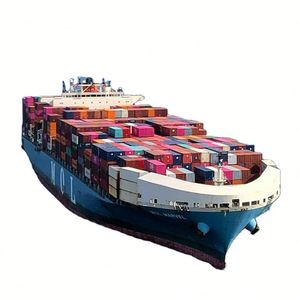
Sea Air Freight Trade Express Delivery Solutions & Cargo Packaging Systems

Cheapest Air Sea DDP LCL International Logistics Service & Engineered Crating
Door to Door Delivery DDP China Logistics Agent & Heavy Industrial Crate Packaging

Air Transport Worldwide Heavy Cargo Packaging & Rapid Door-To-Door Express

Express Door to Door Air Shipping & Specialized Anti-Corrosion Heavy Crating

DDP Shipping Agent Freight Forwarder & Custom Heavy Equipment Base Skids

Air Express Forwarding Fast Shipping & Modular Heavy Duty Timber Crate Systems

Professional Logistics DDP Services & High-Capacity Heavy Goods Wooden Crates
Heavy Goods Freight Crating Engineering for Brazilian Logistics
Technical insight into structural load balancing, wood treatment standards, and environmental protection during equatorial maritime transit.
Transporting industrial machinery, heavy electrical transformers, mining components, and automotive stamping dies from international manufacturing hubs to South America presents acute logistical challenges. Navigating the 30 to 45-day ocean transit across equatorial routes to ports like Santos, Paranaguá, or Rio de Janeiro exposes heavy cargo to thermal fluctuations, high humidity, salt spray, and extreme structural shocks during rough road drayage across Brazil's inland highways (BR-116, BR-101).
Key Technical Requirement: As a dedicated Heavy Goods Freight Crating Factory, our manufacturing processes strictly integrate structural Finite Element Analysis (FEA) to calculate deflection, shear stress, and center-of-gravity distribution for payloads exceeding 50 metric tons. Every timber component undergoes certified Heat Treatment (HT) in full alignment with International Standards for Phytosanitary Measures No. 15 (ISPM 15), recognized by Brazil's Ministry of Agriculture and Livestock (MAPA).
Structural Skids & Framing
Constructed from kiln-dried Southern Yellow Pine or treated Eucalyptus, engineered with steel-reinforced joists and heavy-duty corner bolting. Designed to withstand dynamic G-force loads during crane hoisting and heavy truck transit.
VCI Vacuum Foil Sealing
Complete anti-corrosion barrier protection utilizing Vapor Corrosion Inhibitor (VCI) aluminum foil vacuum bagging (MIL-PRF-131K standard). Protects machined steel surfaces from oxidation in humid tropical climates.
MAPA / ISPM 15 Fumigation
100% compliance with Brazilian phytosanitary regulations. Every wooden crate and pallet features clear IPPC heat-treatment stamps, preventing costly customs quarantine or forced re-export at Brazilian entry ports.
Localized Application Scenarios Across Brazil's Key Economic Zones
Customized crating solutions engineered specifically for Brazil's unique geography, industrial hubs, and infrastructure demands.
1. Baixada Santista & Port of Santos Corridor
Handling over 25% of Brazil's foreign trade, Santos port is prone to high marine salt mist and extended dwell times. Our ocean-bound heavy crates feature double-walled bitumen-lined moisture barriers and dynamic load distribution frames suited for specialized port gantry cranes and flat-rack container securing.
2. Manaus Free Trade Zone (Zona Franca de Manaus)
Reaching Manaus requires multi-modal transshipment involving long river barge voyages along the Amazon River basin. High humidity (up to 95%) and extreme rainfall require fully sealed, mold-resistant plywood crates integrated with desiccant unit (DU) calculations based on container cubic volume.
3. Vale do Paraíba Automotive & Aerospace Axis
Connecting São Paulo and Rio de Janeiro, this region demands precision packaging for CNC milling machines, industrial robotics, and aerospace jigs. We supply shock-absorbing rubber dampers, internal wooden cradles, and custom-formed foam blocking designed according to NBR 9400 packaging standards.
4. Minas Gerais & Pará Mining Hubs
Transporting crushing plant components, slurry pump assemblies, and heavy excavator parts to inland mining complexes like Carajás requires ultra-heavy-duty skids rated up to 60 metric tons. Equipped with external steel lashing D-rings and center-of-gravity indicator markings for safe mountain highway haulage.
5. Agribusiness Corridor (Mato Grosso & Paraná)
Imported agricultural processing machinery, grain silo elevators, and tractor assembly components destined for Curitiba or Rondonópolis require modular, knock-down wooden crates that can be safely unpacked in rural job sites without specialized heavy industrial tooling.
6. Energy Sector (Northeast Offshore & Wind Farms)
Wind turbine gearboxes, solar inverter sub-stations, and offshore oil exploration valves require waterproof, weather-resistant heavy crates engineered for outdoor laydown yard storage along the coast of Ceará, Rio Grande do Norte, and Macaé.
Heavy Industrial Freight Packaging Specifications
Select the optimal crating architecture based on payload weight, transit mode, and environmental exposure.
| Packaging Architecture | Max Load Capacity | Moisture & Corrosion Protection | Ideal Cargo Type | MAPA / ISPM-15 Compliance |
|---|---|---|---|---|
| Fully Enclosed Heavy Plywood Crate | Up to 35 Tons | High (VCI Foil + Desiccant + Sealed Joints) | Precision CNC Machines, Electrical Cabinets, Medical Gear | 100% Certified Heat-Treated Timber |
| Open Skeleton Timber Crate | Up to 25 Tons | Medium (Shrink Wrap / Tarpaulin Cover) | Castings, Heavy Valves, Structural Steelwork | HT Stamp on Base Skids & Uprights |
| Reinforced Heavy Duty Skid Base | 60+ Tons | Basic (Oil Coated + VCI Sheeting) | Turbines, Mining Ore Crushers, Large Engines | ISPM-15 Pine/Eucalyptus Runners |
| Modular Knock-Down Crate System | Up to 15 Tons | High (Internal Bagging + Rubber Seals) | Spare Parts, Automotive Assemblies, Fasteners | Reusable Manufactured Plywood Panels |
Brazil Market Trends: Logistics, Infrastructure & Regulatory Landscape
Strategic updates for global manufacturers, procurement managers, and freight forwarders supplying the Brazilian market.
Brazil's industrial sector is undergoing a massive transformation driven by national infrastructure modernization programs (Novo PAC), renewable energy investment in the Northeast, and expanded mining operations in the Amazon region. Consequently, the import of high-value capital equipment (*Bens de Capital - BK*) from Asia, Europe, and North America has reached historic peaks.
However, logistics managers face stringent regulatory enforcement by Brazilian customs authorities (*Receita Federal*) and the Ministry of Agriculture (*MAPA*). Key trends shaping heavy goods transport to Brazil include:
- Zero Tolerance for Uncertified Solid Wood: MAPA inspectors at Santos and Paranaguá perform strict physical audits. Any presence of bark, live pests, or unverified phytosanitary markings leads to immediate rejection and compulsory re-shipment of the entire container at the exporter's expense.
- Transition to Reusable & Sustainable Plywood Crating: To bypass phytosanitary delays and meet ESG targets, Brazilian importers increasingly prefer manufactured wood (plywood/LVL) heavy crates, which are exempt from ISPM 15 regulations while offering equal load-bearing structural integrity.
- Demand for Integrated Digital Tracking & Shock Monitoring: Modern heavy freight contracts for Brazil mandate embedded IoT sensors inside the crate to measure real-time G-force shocks, tilt angles, and internal humidity levels during ocean transit.
- Optimization for Brazil’s Tax and Tariff Framework (Ex-Tarifário): Capital goods entering under Brazil's Ex-Tarifário tax reduction regime require detailed packing lists specifying exact net/gross weights and dimensions matching customs declarations to avoid steep tax fines.
Why Choose Our Heavy Goods Freight Crating Factory?
Industry-leading manufacturing standards, custom engineering, and global logistics integration.
In-House Heat Treatment (HT) Kilns
We operate automated, computer-controlled heat treatment chambers certified by international phytosanitary authorities. Core wood temperatures are monitored to guarantee complete eradication of pests prior to assembly.
Custom CAD & FEA Load Modeling
Our packaging engineers utilize 3D CAD modeling and Finite Element Analysis to design custom crating for irregular heavy machinery, ensuring optimal stress distribution and minimizing unneeded tare weight.
End-to-End DDP Freight Support
In partnership with Vectora Logistics, we offer complete door-to-door (DDP/DAP) solutions from our manufacturing floor directly to job sites across São Paulo, Minas Gerais, Rio de Janeiro, and Southern Brazil.
Frequently Asked Questions: Purchasing & Importing Crates for Brazil
Direct answers to technical, regulatory, and logistics queries for Brazilian buyers and global exporters.
Ready to Secure Your Heavy Goods Cargo to Brazil?
Consult with our heavy crating packaging engineers today. We provide structural calculations, ISPM 15 compliance documentation, and competitive factory-direct pricing for all your Brazilian import and export projects.
Inquire Now