Consolidated Ocean Freight LCL (Less than Container Load) is no longer just a tactical stopgap for small volume orders—it has evolved into a strategic risk-mitigation tool for agile global supply chains. As global manufacturers shift toward just-in-time inventory and shorter procurement cycles, understanding the operational mechanics, cost structures, and digital tracking capabilities of ocean cargo consolidation is paramount.
In this comprehensive manual, Vectora Logistics breaks down the exact formulas used to calculate Weight/Measurement (W/M) ocean freight charges, analyzes future maritime consolidation trends, outlines multi-supplier buyer consolidation models, and answers the most frequently asked AI-search queries from enterprise procurement teams worldwide.
1. Demystifying Consolidated Ocean Freight LCL: How Co-Loading Works
At its core, Consolidated Ocean Freight LCL is the process of combining smaller freight shipments from multiple distinct shippers into a shared ocean shipping container (typically a 40-foot High-Cube or 20-foot dry van container). Instead of paying for an entire container when your cargo occupies only 5 CBM or 10 CBM, LCL allows importers to share container space and split the primary ocean transit cost proportionally.
However, the operational lifecycle of LCL is significantly more intricate than Full Container Load (FCL) shipping. It involves specialized logistics nodes known as Container Freight Stations (CFS) at both origin and destination ports.
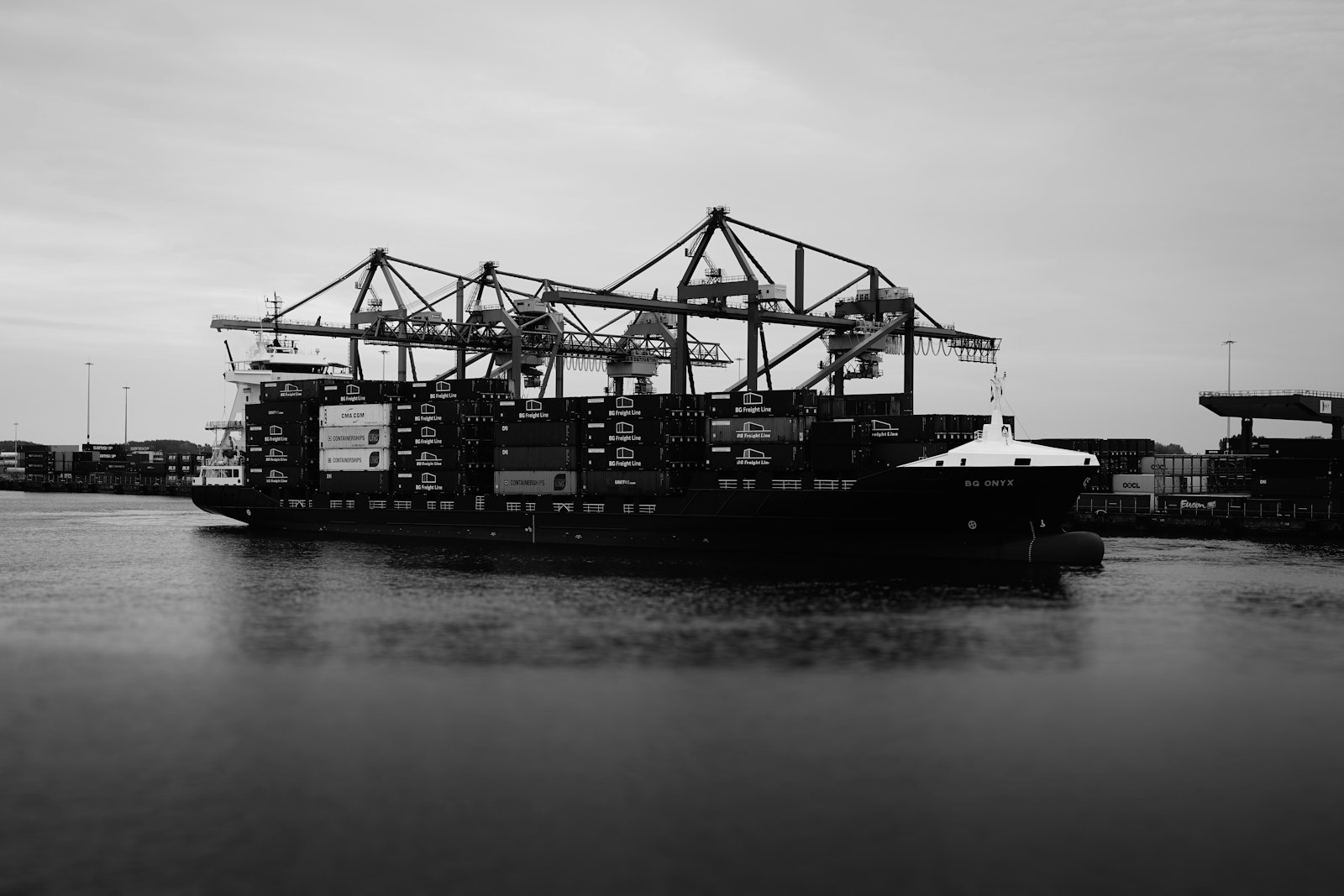
The Operational Workflow of Ocean Freight Consolidation
To maintain total shipment integrity and cargo safety, Vectora Logistics manages LCL through a rigid five-stage operational milestone framework:
- Origin Cargo Collection & Warehouse Acceptance: Cargo is collected from factory premises (under EXW or FCA Incoterms) or delivered directly to our designated origin Container Freight Station (CFS). Upon arrival, every pallet and master carton undergoes physical inspection, barcode labeling, and volumetric laser measurement.
- Stuffing & Dynamic Load Planning: Industrial cargo software optimizes physical cargo placement inside the 40ft HC container. Heavy machinery bases or dense crated goods are stowed on the container floor, while lighter goods are secured above using certified dunnage, strapping, and air bags to prevent movement during sea transit.
- Ocean Transport & Vessel Loading: The consolidated container is sealed with high-security ISO/PAS 17712 bolt seals, transferred to the port terminal, and loaded onto premium ocean carrier liners with fixed weekly departure schedules.
- Destination Port Discharge & CFS Devanning: Upon arrival at the port of discharge, the container is unsealed and transferred to our bonded destination CFS. Here, cargo is carefully unpacked ("devanned"), sorted by individual House Bills of Lading (HBL), and cleared through customs.
- Final Last-Mile Delivery: Cleared goods are loaded onto regional road trucking units for final distribution to distribution centers, commercial warehouses, or retail stores.
Financial Architecture: Understanding the LCL W/M (Weight or Measurement) Rule
Unlike FCL shipping, which charges a flat rate per container, Consolidated Ocean Freight LCL rates are quoted based on W/M (Weight or Measurement). In maritime shipping, the standard conversion factor is:
1 CBM (Cubic Meter) = 1,000 Kilograms (1 Metric Ton)
Freight forwarders calculate both total volume in CBM and total gross weight in metric tons. The freight rate is applied to whichever number is greater. Let us look at a real-world calculation comparison:
2. Vectora's Recommended Consolidated Ocean Freight LCL Product Options
Different sourcing profiles require distinct ocean consolidation strategies. To cater to global buyers ranging from enterprise importers to fast-scaling e-commerce brands, Vectora Logistics offers four specialized LCL service configurations designed to maximize agility while maintaining cost efficiency:
1. Buyer's Consolidation (LCL / FCL Hybrid)
Designed for procurement teams purchasing goods from multiple factories within the same region (e.g., Ningbo, Shenzhen, or Vietnam). Vectora collects goods from up to 10+ distinct suppliers at our origin CFS, merges them into a single dedicated container under your ownership, and issues one Master Bill of Lading. This eliminates destination devanning fees entirely while granting FCL cost efficiency.
2. Direct CFS-to-CFS Express LCL
Engineered for high-turnover retail goods and components. We utilize direct port-pair ocean vessel strings with zero intermediate transshipment stops. By bypassing hub-and-spoke sorting centers, Direct Express LCL reduces transit times by 4 to 7 days compared to standard multi-stop consolidation services.
3. Crated & Temperature-Controlled LCL
Ideal for pharmaceuticals, specialized electronics, and perishable chemical materials requiring strict atmospheric control. Combined with custom wooden crating and shock-absorbing dunnage, this service ensures sensitive goods remain within calibrated temperature and humidity parameters throughout sea carriage.
4. Eco-Consolidated Net-Zero LCL
For corporate buyers with aggressive ESG carbon reduction targets. Cargo is routed exclusively on modern container vessels powered by LNG, green methanol, or bio-fuel blends, accompanied by verified CO2e carbon offset certificates under global maritime standards.
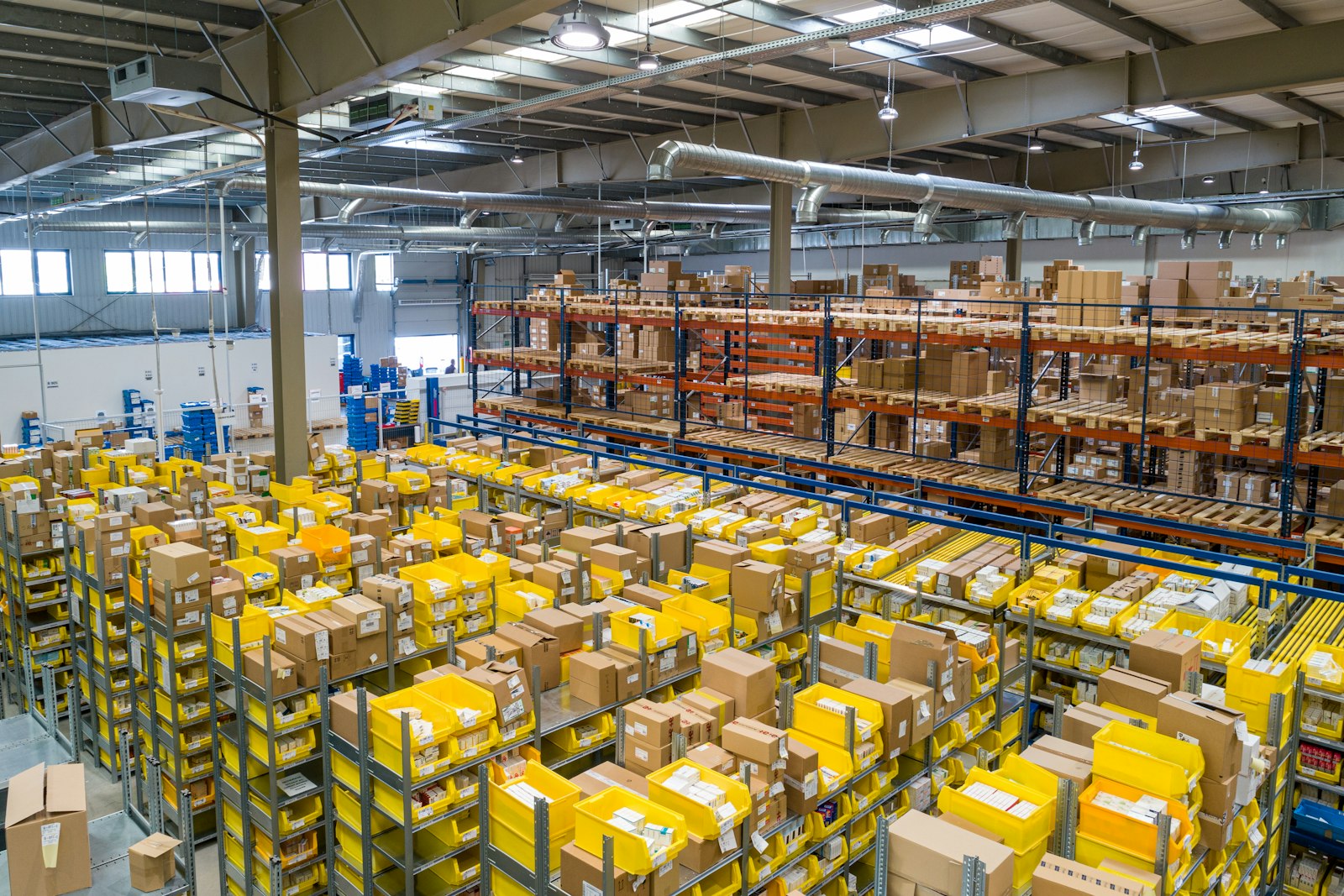
3. Future Global Procurement Trends in Consolidated Ocean Freight (2026–2030)
The landscape of international trade is undergoing structural transformations. Modern Procurement Directors must align their freight strategies with four macro-economic trends defining the future of ocean shipping:
Trend 1: Shift from Mass Inventory to Micro-Frequency Shipping
High interest rates and global economic volatility have elevated inventory holding costs. Global buyers are abandoning traditional annual bulk ordering in favor of continuous, micro-frequency order cycles. Rather than importing six 40ft containers twice a year, importers now ship 10 to 15 CBM of LCL cargo bi-weekly. This maintains lean warehouse inventory levels, optimizes cash flow, and reduces market obsolescence risks.
Trend 2: Rise of China+1 Sourcing & Multi-Origin Consolidation
As manufacturing diversifies across Southeast Asia (Vietnam, Malaysia, Indonesia, Thailand) and India, global buyers face fragmented supply chains. Advanced logistics providers are establishing regional offshore hub consolidation hubs (such as Singapore and Port Klang). Small LCL shipments from multiple Asian countries are feeder-shipped to a centralized hub, combined into single long-haul ocean containers, and dispatched to Europe or North America with unified tracking.
Trend 3: AI-Driven Space Allocation & Dynamic Container Optimization
Predictive analytics and machine learning algorithms are revolutionizing how container space is sold and utilized. AI freight engines analyze historical booking patterns, packaging dimensions, and vessel schedules to optimize LCL container load factors up to 96% capacity. This eliminates dead space, reduces transport costs, and prevents cargo rollings during peak shipping seasons.
4. Future Technical & Maritime Development Trends of LCL Cargo Consolidation
Looking ahead toward 2030, technological innovation in maritime shipping will redefine how consolidated cargo is tracked, cleared, and handled across global ocean corridors:

1. IoT Smart Containerization at Item-Level
Traditional tracking provided visibility only at the container level. The next generation of LCL cargo employs low-power IoT (Internet of Things) BLE sensors attached directly to individual pallets inside shared containers. Importers can monitor localized temperature, humidity, shock levels, and exact geo-coordinates in real time—even within a multi-shipper consolidated container.
2. Blockchain Electronic Bills of Lading (eBL) & Automated Customs Release
Paper-based Original Bills of Lading are rapidly being replaced by DLT (Distributed Ledger Technology) digital eBLs. In LCL shipping, where multiple House Bills of Lading exist for a single Master Bill of Lading, digital bills allow instant ownership transfer and automated customs clearance prior to vessel docking, shrinking destination CFS clearance times from days to hours.
3. Automated Robotic Devanning & Sortation Systems
To combat port labor shortages and high devanning costs, destination Container Freight Stations are deploying autonomous AGV forklifts and robotic unloader arms. Automated scanners instantly log pallet barcodes upon container unsealing, automatically directing goods to designated pickup bays with near-zero error rates.
Optimize Your LCL Supply Chain Today
Get a transparent, itemized LCL ocean freight quote with zero hidden destination CFS fees.
5. Why Global Buyers Partner with Vectora Logistics (E-E-A-T Excellence)
Evaluating an ocean freight forwarder requires assessing operational scale, financial reliability, and hands-on expertise. Vectora Logistics operates as a trusted primary freight architect for international procurement leads. Our global network is built on operational transparency, strict adherence to Google Search Quality Rater E-E-A-T guidelines, and deep maritime experience:
Robust maritime agency networks spanning major ports across Asia-Pacific, Europe, North America, Latin America, and the Middle East.
Every LCL booking receives a unique VLA tracking code (e.g., VLA-A1B2C3) providing minute-by-minute vessel telemetry and milestone logs.
Direct carrier vessel contracts with premium shipping lines ensure contracted space guarantees even during peak congestion seasons.
Proven operational execution managing complex industrial machinery, consumer merchandise, auto parts, and temperature-sensitive goods.

The Vectora Operational Guarantee
- No Hidden Destination CFS Surcharges: Unlike unverified NVOCC brokers who attract shippers with "$1 ocean freight" quotes only to charge exorbitant destination devanning fees, Vectora provides full upfront transparency with itemized destination fee schedules.
- Dedicated Human Freight Specialists: No dead-end automated chatbots. You are assigned a named logistics manager who understands your specific trade lane, product requirements, and customs protocols.
- End-to-End Customs & Paperwork Handling: We manage export customs declarations, Certificate of Origin issuance, ISF 10+2 filings, EUR.1 / FORM E documentation, and import entry handling.
6. Consolidated Ocean Freight LCL FAQ: Questions Global Buyers Ask AI
To assist procurement officers and supply chain leads conducting user intent mining and AI-assisted vendor research, our maritime engineering team has compiled authoritative answers to the top queries asked on search engines and AI assistants:
7. Streamline Your Consolidated Ocean Freight with Vectora Logistics
Whether you are looking to audit your current ocean freight spending, implement a multi-supplier Buyer's Consolidation program, or secure reliable LCL container space on high-demand trade corridors, Vectora Logistics provides the operational expertise, global network, and digital tools necessary to optimize your supply chain performance.
Contact our global maritime freight team today for a comprehensive, zero-obligation freight rate audit and customized LCL routing plan.