Featured International Heavy Cargo & Freight Services
Engineered multimodal logistics spanning breakbulk ocean freight, heavy air chartering, door-to-door DDP execution, and specialized customs compliance.
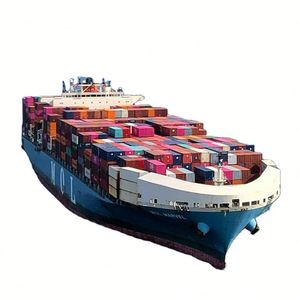
Heavy Industrial Cargo & Multi-Modal Delivery Bags Service
Integrated sea-air forwarding solution designed for high-value logistics, machinery parts, and specialized industrial transport.
China to USA / UK / EU Ocean DDP & LCL Heavy Freight Forwarding
Top-rated consolidated ocean cargo forwarding with door-to-door customs duty clearance and final mile heavy trucking.
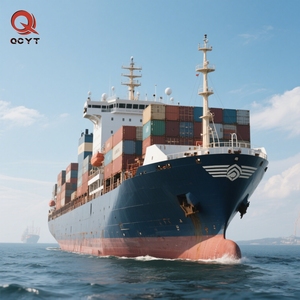
End-to-End Heavy Project DDP Logistics & Express Forwarding
Turnkey logistics agency providing seamless vessel booking, heavy lift lashing, duty payment, and job-site uncrating.

Worldwide Express Heavy Air Freight & Charter Cargo Service
Expedited international air cargo transport for oversized components, urgent replacement equipment, and heavy machinery.
European Union Heavy Industrial Freight & Packaging Logistics
Specialized cargo packaging, wooden crating, and direct-to-destination freight forwarding across major EU industrial hubs.

Comprehensive Transpacific & Transatlantic Project Freight
Optimized ocean container shipping and heavy parcel consolidation for global importers, B2B plants, and commercial fleets.
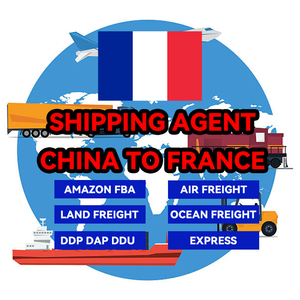
Air Cargo & Ocean Heavy Forwarding to France & Western Europe
Rapid customs brokerage, priority flight bookings, and heavy flat-rack ocean transport tailored to European import regulations.

Professional Heavy Lift Ocean Chartering & Heavy Haulage
Full vessel chartering, heavy crane barge loading, SPMT transport, and complex out-of-gauge (OOG) project engineering.
1. Executive Summary & Industrial Market Intelligence
The global heavy lift ocean forwarding and project cargo market is experiencing a structural paradigm shift driven by massive capital investments in green energy infrastructure, liquefied natural gas (LNG) export terminals, offshore wind farm installations, and mega-scale industrial plant modernization. Valued at over $32.4 billion globally, the heavy lift shipping industry requires specialized engineering expertise, specialized heavy-lift vessels (HLVs), and flawless multi-modal coordination. Navigating the complexities of Out-of-Gauge (OOG) shipping, breakbulk chartering, roll-on/roll-off (RORO) logistics, and heavy haulage demands far more than basic freight booking—it requires an end-to-end engineering partner.
As global supply chains realign around resilience and regional manufacturing clusters, China, Turkey, Germany, and the United States remain central export epicenters for heavy machinery, transformer units, pressure vessels, and mining equipment. Selecting the right forwarding factory or export logistics agent determines not only transit velocity but also operational risk mitigation against port demurrage, structural stress failures, and customs delays in complex trade corridors.
2. Comparative Technical Matrix: Heavy Lift Forwarding Modes
To assist procurement directors and supply chain engineers in selecting optimal ocean freight strategies, the table below provides a comparative evaluation of the primary heavy-lift shipping methods utilized across international trade lanes:
| Logistics Category | Cargo Dimensions & Weight | Vessel & Equipment Type | Cost Profile | Ideal Industrial Applications |
|---|---|---|---|---|
| Breakbulk Cargo | Exceeding standard container limits (>50 Tons) | General Cargo / Multi-Purpose Vessel (MPV) | High Capital / Custom Charter | Turbines, Generators, Mining Shovels, Industrial Kilns |
| Out-of-Gauge (OOG) Containerized | Over-width / Over-height (<45 Tons) | Flat-Rack (FR) & Open-Top (OT) Containers | Moderate / Liner Schedule | Excavators, CNC Machining Centers, Large Pumps |
| Roll-on/Roll-off (RORO) | Wheeled or Tracked Heavy Equipment | Pure Car/Truck Carrier (PCTC) / MAFI Trailers | Efficient / Fixed Port Calls | Agricultural Tractors, Mobile Cranes, Heavy Trucks |
| Heavy Lift Vessel Chartering | Ultra-Heavy Modules (100–3,000+ Tons) | Heavy-Lift Ships with Tandem Cranes (SWL 1,500T+) | Project-Based Spot / Time Charter | Offshore Wind Substructures, Chemical Reactors |
3. Top 10 Heavy Lift Ocean Forwarding & Export Excellence Benchmark
Evaluating international heavy-lift forwarders requires strict vetting against technical capability, carrier relationships, and door-to-door execution. Below are the definitive structural benchmarks defining the top 10 heavy lift forwarding exporters globally:
1. Advanced Method Statement & Engineering CAD Simulations
Leading project cargo forwarders do not simply arrange transport; they author comprehensive Method Statements. This includes 3D CAD stowage planning, center of gravity (CoG) calculations, lifting lug stress analysis, and deck load spreading designs using heavy steel matting or dunnage timbers to prevent structural damage during sea transit.
2. Integrated DDP (Delivered Duty Paid) & Customs Brokerage Capabilities
Navigating cross-border customs regulations for complex industrial machinery requires seamless integration of Incoterms 2020. Top exporters offer comprehensive DDP solutions—managing tariff classifications (HS Codes), import permits, duty payments, and environmental compliance across destination ports in North America, Western Europe, and Asia.
3. Specialized Rigging, Lashing, and Maritime Securing
Maritime transport subjects cargo to six degrees of vessel motion: pitch, roll, yaw, heave, sway, and surge. Top-tier forwarding factories enforce strict lashing protocols utilizing high-tensile chains, turnbuckles, welded dunnage stops, and anti-slip rubber matting certified under the IMO Code of Safe Practice for Cargo Stowage and Securing.
4. Multi-Modal Heavy Haulage & Last-Mile Feasibility Surveys
Ocean transit represents only a fraction of the journey. Exceptional forwarders conduct detailed route surveys—analyzing bridge axle-load ratings, overhead line clearances, roundabouts, and port gate limitations. They deploy Self-Propelled Modular Transporters (SPMTs) and multi-axle hydraulic low-loaders for smooth last-mile job-site delivery.
4. Strategic Sourcing & Procurement Trends (2025–2030)
The landscape of heavy lift ocean forwarding is undergoing rapid technological and regulatory evolution. Procurement executives must align their international supply chain strategies with these major multi-year trends:
2. Digital Twin Stowage & IoT Marine Tracking: Real-time visibility has evolved beyond simple port milestones. Industrial importers now demand IoT-enabled sensor telemetry attached to heavy deck cargo, providing continuous real-time monitoring of shock vibrations, tilt angles, humidity levels, and GPS positioning during ocean crossings.
3. Rise of Industrial Modularization: EPC contractors increasingly favor building complex industrial plants in pre-assembled, modular units off-site. This shift significantly increases average unit weights and dimensions, placing unprecedented demand on heavy-lift forwarders capable of handling 500+ ton modules safely.
5. Corporate Capabilities & Enterprise Advantages: Vectora Logistics
Building upon the foundational capabilities of international logistics excellence, Vectora Logistics operates as an elite freight forwarding authority specializing in heavy project cargo, breakbulk ocean transport, expedited air chartering, and total supply chain orchestration.
Real-Time VLA Tracking
Every shipment file carries a live VLA tracking code. Status milestones are updated continuously directly from carrier logs—eliminating communication blind spots.
Custom Crating & Packaging
Mode-specific heavy timber crating, vacuum-sealed barrier packing, and corrosion-inhibiting VCI film protection designed for harsh ocean environments.
Global DDP Network
Turnkey customs clearance and heavy haulage delivery across 150+ countries, ensuring compliance with local import duties and road permits.
Breakbulk & Heavy Charter
Direct access to multi-purpose vessel fleets, heavy deck barges, and specialized heavy-lift ships with cranes offering SWL up to 1,500 metric tons.
Expedited Air Freight
Full and partial heavy air charters using Antonov An-124 and Boeing 747-8F freighters for urgent industrial downtime and emergency parts replacement.
Specialized Warehousing
Temperature-controlled and high-bay heavy storage facilities equipped with overhead gantry cranes and live inventory barcode management systems.
6. Frequently Asked Questions (FAQ) for B2B Heavy Lift Sourcing
What is the difference between Breakbulk and Out-of-Gauge (OOG) shipping?
Out-of-Gauge (OOG) cargo refers to items that exceed standard container dimensions (width, height, or length) but can still be loaded onto specialized container equipment such as Flat-Racks (FR) or Open-Tops (OT) carried on scheduled container ships. Breakbulk cargo, by contrast, refers to oversized or ultra-heavy items that cannot fit on standard container vessels and must be loaded directly onto the hold or deck of a Multi-Purpose Vessel (MPV) or breakbulk ship individually using cranes.
How are heavy lift ocean freight rates calculated?
Heavy lift rates are determined based on Revenue Tons (W/M - Weight or Measure), cargo dimensions, total metric tonnage, required crane lifting capacities (SWL), deck space utilization, specialized lashing gear requirements, port handling fees, and channel navigational permits. For complex project shipments, vessel chartering rates (Daily Time Charter or Voyage Charter) may apply along with bunker adjustment factors (BAF).
What documentation is mandatory for international heavy cargo forwarding?
Essential documentation includes the Master Bill of Lading (MBL), Detailed Packing List with exact CoG (Center of Gravity) points, Commercial Invoice, Lifting Plan and Method Statement, Marine Survey Certificate, Certificate of Origin, and relevant import/export licenses. For DDP shipments, custom duty classification filings (HS Codes) and local transport road permits are also required prior to vessel discharge.
How does Vectora Logistics prevent cargo damage during sea transport?
Vectora Logistics enforces strict engineering protocols certified under the IMO Cargo Stowage and Securing Code. We utilize custom heavy wooden crating, anti-corrosion VCI shrink packaging, computer-modeled lashing configurations with high-tensile steel chains, welded dunnage stoppers, and heavy-duty rubber friction mats. Every project undergoes pre-loading and discharge inspections by certified marine surveyors.
What are the advantages of DDP (Delivered Duty Paid) Incoterms for heavy machinery?
DDP Incoterms shift total logistical responsibility to the forwarder and seller. This means customs clearance, import tariff payments, port handling fees, and last-mile heavy haulage to the buyer's job site are completely managed by Vectora Logistics. This eliminates unexpected demurrage costs, administrative overhead, and local port delays for global buyers.
How far in advance should project cargo transport be planned?
For standard OOG containerized shipments, 3 to 4 weeks of advance booking is recommended. However, for major breakbulk or heavy-lift charter operations requiring specialized vessel gear, port crane reservations, route clearance surveys, and police escorts for road transport, engineering and procurement planning should begin 2 to 6 months prior to the target shipping date.