CE Certified Cold Chain Transport & Freight Products
Explore our international-grade cold chain delivery systems, specialized reefer cargo packaging, thermal insulation bags, and multi-modal logistics services customized for pharmaceutical, perishable, and industrial exports.
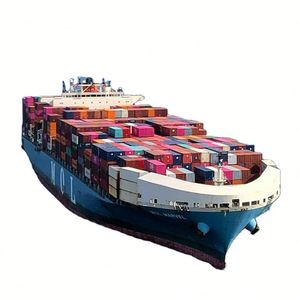 CE Certified
Electric Cargo & Multi-Modal Thermal Logistics Bags
Heavy-duty insulated transport bags engineered for electric van, motorcycle last-mile delivery, and sea-air parcel cargo maintaining strict +2°C to +8°C stability.
 Global Express DDP
International Cold Chain Air & Sea DDP Logistics
Top-ranked DDP LCL/FCL reefer shipping solutions from China to USA, UK, Canada, and EU. Integrated customs clearance and door-to-door temperature integrity.
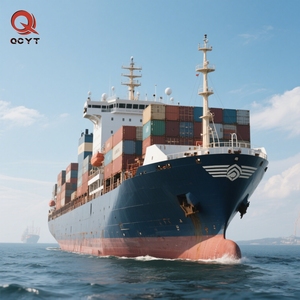 GDP Compliant
Door-to-Door Temperature-Controlled Air Parcel Courier
Fast-track cold parcel delivery with real-time temperature telemetry monitoring, custom thermal insulation boxes, and dedicated customs handling.
 Express Freight
Worldwide Express Cold Air Transport Solutions
Optimized air cargo routing for temperature-sensitive therapeutics, vaccines, and perishables. Priority space allocation via major commercial airlines.
 EU Standard
EU & Germany Compliant Cold Chain Packaging & Freight
CE-marked validated shippers and insulated thermal crates specifically customized for European import standards, customs clearance, and road trucking.
 Multi-Modal
DDP Cold Container Sea-Air Hybrid Forwarding
Cost-efficient hybrid logistics combining marine reefer containers and air cargo transit to reduce freight expenditure while retaining sub-zero stability.
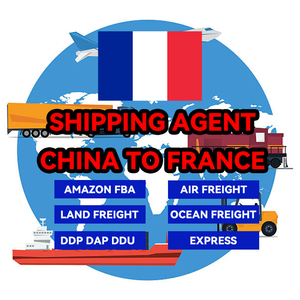 Active Temperature
Active Reefer & Passive Thermal Shippers Export
Advanced phase-change material (PCM) shippers and active refrigeration container systems for global export across North America and Europe.
 End-To-End Tracking
Smart IoT Cold Chain Management & Freight Services
End-to-end cold transport management incorporating VLA real-time tracking, automated temperature logging, and guaranteed GDP handoff protocols.
Architecting Compliant Cold Chain Infrastructure: Technical Whitepaper
An operational breakdown of temperature assurance, CE regulatory directives, and multi-modal thermal validation standardizing global B2B procurement.
1. The Physics of Thermal Protection in Modern Freight Management
Managing cold chain logistics across international trade corridors presents unprecedented thermodynamic challenges. From solar radiation absorption on airport tarmacs to ambient humidity swings during transpacific maritime routes, unmitigated thermal excursions represent the leading cause of high-value cargo degradation in pharmaceutical, biological, and specialty chemical supply chains.
As a leading CE Certified Cold Chain Transport Management Manufacturer & Exporter, our engineering architecture relies on advanced phase change materials (PCMs), vacuum insulation panels (VIPs), and automated active cooling telemetry. By integrating high-density polyurethane structural barriers with specialized paraffin and salt-hydrate PCMs, our transport containers maintain internal temperature stability across critical operating windows: deep frozen (-80°C to -20°C), refrigerated (+2°C to +8°C), and controlled room temperature (+15°C to +25°C).
2. Regulatory Mandates: Navigating CE Marking, GDP, and FDA 21 CFR Part 11
Regulatory compliance is non-negotiable for enterprise procurement teams. CE certification for cold chain packaging and monitoring equipment validates that structural integrity, electromagnetic compatibility (for IoT data loggers), and material safety adhere strictly to European Health, Safety, and Environmental protection directives.
Furthermore, aligned with Good Distribution Practice (GDP) guidelines, our end-to-end transport management workflow guarantees complete traceability. Every shipment handled via our multi-modal freight network (Air, Ocean, Road) utilizes calibrated NIST-traceable sensors that continuously stream real-time temperature, location, door-open alerts, and shock metrics to our central VLA tracking platform, satisfying FDA 21 CFR Part 11 requirements for electronic records.
Thermal Performance & Regulatory Standard Matrix
| Thermal Band | Target Temperature Range | Primary Insulation Technology | Autonomous Hold Time | Certification Standards |
|---|---|---|---|---|
| Ultra-Low Temperature | -80°C to -20°C | Dry Ice + VIP + Aerogel Insulation | Up to 144 Hours | CE Marked ISO 13485, IATA PI 650 |
| Refrigerated Cold Chain | +2°C to +8°C | Organic PCM + High-Density Polyurethane | Up to 168 Hours | CE Certified EU GDP 2013/C 343/01 |
| Controlled Room Temp (CRT) | +15°C to +25°C | Solid-Liquid Transition PCMs | Up to 120 Hours | CE Certified WHO PQS, ISTA 7D |
| Active Maritime Reefer | -30°C to +30°C (Adjustable) | Microprocessor Genset + Smart IoT Telematics | Continuous Transit | CE Certified ISO 1496-2, EN 12830 |
Product Development & Technological Trends in Cold Chain Management
Discover how next-generation materials science, real-time IoT connectivity, and green energy innovations are transforming global thermal logistics equipment.
IoT Real-Time Telematics & Predictive AI
Legacy passive data loggers that only report excursions post-delivery are being rapidly phased out. Modern cold transport systems integrate 5G cellular, satellite, and Bluetooth Low Energy (BLE) sensors that transmit live data points every 60 seconds. Machine learning algorithms analyze route delays and ambient weather predictions to proactively re-route shipments before thermal boundaries are breached.
Advanced Nanotech Insulation & Bio-PCMs
The convergence of Vacuum Insulation Panels (VIPs) with bio-based phase change materials derived from plant oils offers double the volumetric thermal efficiency of expanded polystyrene (EPS). This reduces volumetric shipping weight by up to 35%, slashing air freight charges while extending payload hold times past 120 continuous hours.
Zero-Emission Electric Reefer Mobility
With stringent municipal carbon restrictions across Europe and North America, urban last-mile cold chain delivery is shifting to zero-emission electric cargo vans and refrigerated electric e-bikes equipped with solar-assisted cooling units. Our CE-certified urban packaging systems are tailored specifically for these last-mile configurations.
Future Global Sourcing & Procurement Trends for Cold Chain B2B Buyers
Strategic guidance for enterprise buyers, supply chain vice presidents, and procurement officers navigating shifting international trade channels and risk management models.
Transitioning from Spot Freight to Turnkey DDP Risk Mitigation
Global procurement directors are increasingly moving away from unbundled shipping contracts toward turnkey Delivered Duty Paid (DDP) arrangements. In temperature-sensitive categories, port customs delays or improper warehouse handoffs represent the highest risk factor for thermal failure.
By procuring integrated transport management from a manufacturer and exporter who controls both packaging fabrication and freight forwarding, buyers transfer customs liability and carrier coordination risks directly to a qualified single-source partner. Our streamlined DDP solutions across North America, Europe, and Asia-Pacific guarantee unbroken cold chains from factory floor to end-consignee warehouse.
Procurement Checklist for Cold Chain Exporters:
- Verify CE, ISO 9001, and GDP accreditation certificates.
- Require real-time IoT temperature and GPS tracking access.
- Demand multi-lane thermal validation reports (ISTA 7D / 7E).
- Confirm availability of customized thermal insulation sizes.
- Evaluate DDP customs clearance handling in destination ports.
Enterprise Capabilities & Manufacturing Strengths
Leveraging over a decade of manufacturing innovation and international freight logistics excellence to deliver reliable temperature-controlled outcomes.
CE Certified In-House Manufacturing
We own and operate state-of-the-art manufacturing facilities specializing in certified cold chain bags, thermal boxes, phase change gel packs, and custom industrial crating. Every product is rigorously tested to withstand ambient thermal extremes prior to export.
Multi-Modal Global Freight Network
Combining international Air Freight, Ocean Reefer Containers (FCL/LCL), and Cross-Border Road Trucking under a unified operational control tower. We serve over 150 countries with direct customs clearance and door-to-door delivery execution.
VLA Real-Time Milestone Tracking
Eliminate dark spots in your global supply chain. Our proprietary VLA shipment tracking system provides 24/7 visibility into location coordinates, ambient/internal thermal sensor logs, and carrier handoffs across every hub.
Cold Chain Transport Management FAQ
Detailed answers to critical technical, regulatory, and logistics queries raised by global procurement leads and supply chain professionals.
Q1: What makes a cold chain transport system CE Certified?
CE certification confirms that our cold chain transport management equipment complies with essential European health, safety, and environmental protection directives. For active equipment (electronic data loggers and powered reefer units), it verifies electromagnetic compatibility (EMC) and low-voltage safety. For passive shippers, it validates material non-toxicity, structural resilience, and compliance with EU GDP regulations.
Q2: How do you ensure temperature integrity during air freight delays?
Our passive thermal packaging systems are engineered with thermal buffer capacities engineered to exceed targeted transit times by at least 48 to 72 hours (e.g., 144-hour qualified shippers for 72-hour air freight lanes). Furthermore, our global airport tarmac response team monitors live VLA tracking alerts and can apply re-icing, dry ice replenishment, or cold room storage interventions at key transit hubs if carrier delays occur.
Q3: Can you handle DDP customs clearance for temperature-sensitive goods?
Yes. As an experienced international manufacturer and freight forwarder, we provide complete DDP (Delivered Duty Paid) services. We manage all import documentation, customs duty assessments, bio-security clearance, and agricultural inspections prior to vessel or aircraft arrival, ensuring goods pass seamlessly into temperature-controlled road trucks without tarmac hold-ups.
Q4: What is the difference between active and passive cold chain transport systems?
Active systems utilize electrical or fuel-powered refrigeration units (e.g., reefer containers or powered aircraft containers) to actively adjust internal temperature. Passive systems rely on pre-conditioned Phase Change Materials (PCMs), vacuum insulation panels, and thermal barriers to maintain temperature without external power. We help clients evaluate payload volume, transit duration, and budget to select or combine the optimal system.
Q5: How are your temperature data loggers calibrated and validated?
All IoT telematics units and USB data loggers integrated into our transport management system undergo multi-point calibration against NIST-traceable reference standards. Validation reports compliant with ISTA 7D/7E thermal profiles and WHO guidelines are provided for every batch, satisfying pharmaceutical auditor compliance standards.
Q6: Do you offer custom sizing and OEM manufacturing for insulated bags and boxes?
Absolutely. In addition to our standardized CE-certified inventory, our engineering team designs custom structural dimensions, specialized internal dividers, outer fabric durability grades, and custom branding for commercial distributors, vaccine manufacturers, and meal kit exporters worldwide.
Request a Customized Cold Chain Engineering Consultation
Speak with our senior thermal logistics engineers and global freight strategists today. We will evaluate your shipment lanes, optimize packaging efficiency, and deliver a competitive DDP quote tailored to your exact temperature compliance specifications.
Contact Us