
Knowledge Base & News
Logistics & Supply Chain Insights
Expert articles, industry updates, and practical guides on international air, ocean, and road freight forwarding.
Top China E Commerce Freight Forwarders?
Table of Contents
Choosing a top China e-commerce freight forwarder is not simply a search for the lowest quote. For online sellers, the right partner can connect supplier pickup, warehouse handling, export preparation, and delivery into one visible process. The difference often appears in small details: a carton measured correctly, a tracking update posted on time, or a damaged-label issue noticed before dispatch. Small details matter. E-Commerce Goods Freight Forwarding covers more than moving boxes; it also depends on clear communication, dependable records, and realistic transit estimates.
This guide explores how to compare China-based providers by service scope, shipping options, warehouse capabilities, pricing transparency, and customer support. It also considers practical questions sellers can ask, such as whether a quote includes handling fees, how shipment dimensions are verified, and what happens when a parcel is delayed. Look for verifiable experience, clear operating procedures, and references relevant to your products and destination markets. Confirm that the provider handles only permitted goods and supports accurate shipping documentation. No shortlist is perfect. Rates and transit times can change with routes, peak seasons, and operational conditions. A polished website cannot prove consistent performance, and a spreadsheet may miss the value of a responsive account manager. Treat comparisons as a starting point, request written terms, and check details before committing inventory.
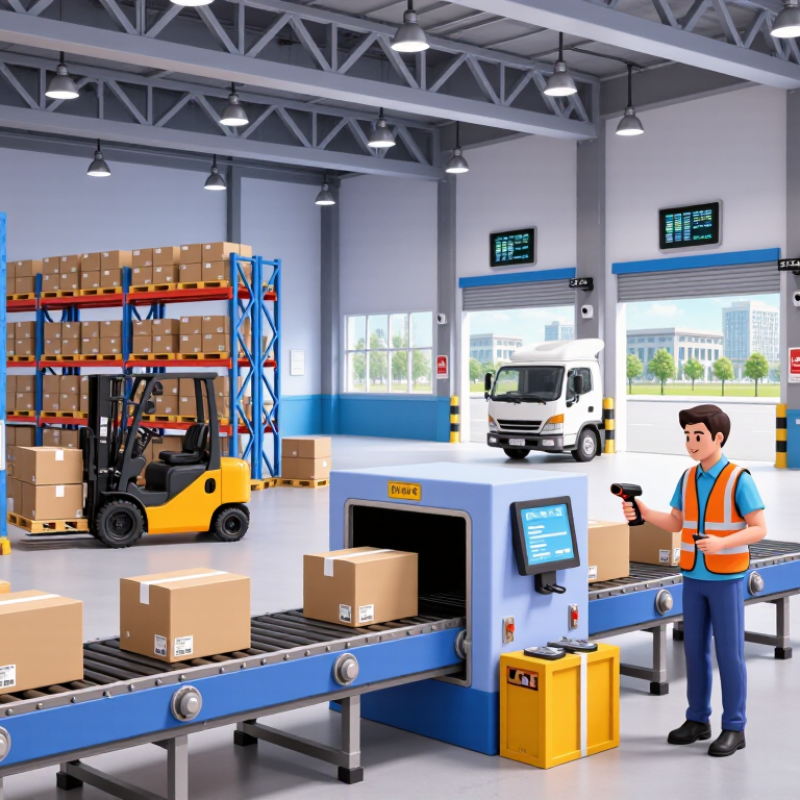
What China E-Commerce Freight Forwarders Do
A China e-commerce freight forwarder connects an online seller’s orders with transport from a factory or warehouse. The forwarder can collect cartons, check labels and quantities, combine shipments, and arrange air, sea, rail, or truck services. It also prepares shipping paperwork, shares tracking updates, and coordinates handoffs between carriers and delivery providers. For a small parcel campaign, that may mean matching carton counts to a packing list before goods leave a warehouse. That check can catch simple errors early.
Duties vary by service, destination, and shipping terms. A capable forwarder explains transit estimates, likely cost components, packaging limits, and what information the seller must supply. It may flag missing carton dimensions or an inconsistent product description, then ask the seller to correct the records. After departure, it follows milestones and investigates delays, but it cannot control weather, carrier capacity, or border decisions. This distinction matters. Good forwarders give specific updates, not only “in transit.” A photo of a relabeled carton or a timestamped warehouse scan is more useful. Operational quality still varies; even careful teams sometimes miss a detail, so written confirmations are worth keeping.
Tips: Send accurate item descriptions, carton sizes, weights, and delivery addresses before booking. Ask whether quoted charges include pickup, handling, and final delivery. Keep a buffer for peak-season delays.
How Cross-Border E-Commerce Shipping Works
Top China E-Commerce Freight Forwarders?
Cross-border e-commerce shipping begins when the seller confirms the order, checks the parcel’s weight and dimensions, and selects a delivery route. A freight forwarder may collect parcels from several sellers, consolidate them, and arrange export handling and international transport. Accurate addresses and product descriptions matter. A small data error can delay a parcel before it even leaves the warehouse.
UNCTAD’s Digital Economy Report 2024 estimates that e-commerce sales across 43 economies approached $27 trillion in 2022. That figure measures sales, not parcel shipments, but it shows the scale behind cross-border delivery networks. After international transport, parcels enter destination-country processing and customs review, then move to a local carrier for last-mile delivery. Then comes the handoff. A tracking scan can lag behind the parcel’s actual location, which is frustrating but worth allowing for when setting delivery expectations.
The World Bank’s Logistics Performance Index 2023 assessed 139 countries across areas including customs, infrastructure, tracking and tracing, and timeliness. These stages are connected: a fast flight cannot fix a missed warehouse scan or a poorly coordinated final delivery. For a typical parcel, the useful checkpoints are collection, export departure, arrival processing, and handoff to the local carrier. Delivery estimates still have a little uncertainty built in.
Core Services Offered by China-Based Freight Forwarders
China-based freight forwarders support e-commerce shipments from supplier pickup to delivery coordination. They can collect cartons from several factories, check package counts, and consolidate goods at a warehouse. This is useful when orders are split across cities. Some providers can arrange product inspections or cargo photos, but these checks have limits. A photo cannot confirm every item inside a sealed box.
Freight planning is another core service. Forwarders compare air, sea, rail, and courier options based on shipment size, timing, and budget. They prepare shipping documents and may coordinate customs clearance through qualified local agents. Services can also include carton labeling, palletizing, cargo insurance arrangements, and tracking updates. Ask which tasks are handled directly and which rely on partners. Details can vary by route, so written quotes should state handling fees, estimated transit time, and what happens if schedules change.
Tips: Share accurate carton dimensions, weights, product descriptions, and delivery requirements before booking. Request a sample shipment plan and confirm who sends status updates. Keep a small buffer for delays; even careful plans can miss a detail. Don’t choose by price alone. Compare service scope and communication quality.
How to Evaluate Leading E-Commerce Freight Forwarders
Choosing a China e-commerce freight forwarder is less about a polished quote and more about handling everyday exceptions. Look for clear service routes, realistic transit ranges, and written rules for dimensional weight, storage, and peak-season fees. Ask how parcels are scanned from pickup through handoff. Request sample tracking events, not just a dashboard screenshot. Small details matter. Can staff explain a missed collection or a carton with a crushed corner? Vague answers are a warning.
Compare recent shipment data, not one successful delivery. Review on-time dispatch, shipping document accuracy, claim handling, and response times. Check whether the forwarder can connect inventory systems and reconcile parcel counts with warehouse records. Ask for references from sellers with similar product sizes and order volumes; a tiny sample can mislead. Cost deserves scrutiny, too. A low rate may exclude fuel, remote-area, or return-handling fees. Even careful operators make mistakes. Notice how they report problems, preserve evidence, and explain corrective steps. That part is imperfect, and worth discussing before signing.
How to Evaluate Leading E-Commerce Freight Forwarders
Use these logistics dimensions to structure provider evaluations. The chart shows China’s 2023 World Bank Logistics Performance Index (LPI) component scores, not ratings of individual freight forwarders.
When comparing providers, request evidence on customs handling, transport options, logistics expertise, shipment tracking, and on-time delivery. Consider these national-level scores as context—not as a substitute for provider-specific performance data.
Source: World Bank, Logistics Performance Index 2023. Scores are on a 1–5 scale.
Factors Affecting Shipping Costs, Speed, and Reliability
Top China E-Commerce Freight Forwarders: Factors Affecting Shipping Costs, Speed, and Reliability
Shipping quotes depend on more than the parcel’s weight. A carton measuring 40 by 30 by 25 centimeters may cost more than a heavier, compact box if its dimensional weight is higher. Ask whether the quote includes pickup, export handling, fuel adjustments, and final delivery. Small fees add up.
Speed depends on the route, transport mode, and handoffs. Air freight is usually faster, while sea freight often suits larger, less urgent shipments. During peak seasons, warehouse queues and limited space can delay either option. Ask for a realistic delivery range, not only the fastest estimate. A few days’ buffer matters.
Reliability shows in the details. A capable forwarder should explain tracking gaps, document requirements, and how exceptions are handled. Confirm who checks carton counts and photographs visible damage before dispatch. Request written terms for storage and re-delivery fees. Even careful planning has weak spots; estimates can change when cargo dimensions are remeasured. That part is easy to overlook. Compare quotes using the same shipment details and service scope, or the cheapest number may not represent the best value.
Top China E Commerce Freight Forwarders? - Factors Affecting Shipping Costs, Speed, and Reliability
| Factor or Shipping Option | Typical Cost Effect | Indicative Transit Time | Effect on Reliability | Best Suited For |
|---|---|---|---|---|
| Economy postal parcel | Usually lower for small, light parcels; tracking and service levels vary by route. | About 8–20 business days, depending on destination and delivery network. | More handoffs and limited tracking can make delivery estimates less predictable. | Low-value, lightweight orders where cost matters more than speed. |
| Express courier | Typically among the more expensive options, especially for bulky or remote-destination parcels. | About 2–5 business days on many major international routes. | Usually offers end-to-end tracking and a more defined delivery commitment, subject to customs clearance. | Urgent, high-value, or time-sensitive e-commerce orders. |
| Air freight | Generally more costly than ocean or rail freight; charges are often based on chargeable weight. | Roughly 3–10 days airport-to-airport; pickup, customs, and final delivery add time. | Schedules are frequent on major lanes, but capacity constraints and flight changes can cause delays. | Restocking, higher-value goods, and shipments that are too large for parcel services. |
| Ocean freight — LCL | Often economical for smaller cargo volumes, but origin, destination, and handling fees can add to the total. | About 25–45 days port-to-port on many routes; door-to-door transit takes longer. | Consolidation and deconsolidation add handling steps; port congestion can affect schedules. | Non-urgent cargo that does not fill a container. |
| Ocean freight — FCL | Can have a lower unit cost when cargo uses most of a container; fixed container costs make small loads less economical. | About 20–40 days port-to-port on many routes; inland transport and customs add time. | A dedicated container reduces shared-cargo handling, while sailing schedules and port conditions remain important. | Large, planned shipments with enough volume to justify a full container. |
| Rail freight | Often falls between air and ocean in cost, where suitable rail services are available. | About 15–25 days on some China–Europe rail routes; service and routing vary. | Border procedures, rail capacity, and route disruptions can affect transit consistency. | Time-sensitive shipments to destinations connected to established rail corridors. |
| Chargeable weight and package dimensions | Large, light parcels may be billed by volumetric weight rather than actual weight, increasing the shipping charge. | Usually no direct effect on transit time, but repacking or dimension checks can delay dispatch. | Accurate dimensions and weight reduce billing adjustments and shipment-processing issues. | All shipments, especially lightweight products in oversized packaging. |
| Customs documentation and product classification | Incorrect declarations can lead to inspection, extra handling, storage, or duty and tax charges. | Complete and accurate paperwork helps avoid preventable clearance delays. | Clear descriptions, correct commodity codes, and required permits support smoother processing. | Every international shipment; requirements depend on the product and destination. |
| Peak-season capacity and destination delivery | Rates may rise when demand or fuel-related surcharges increase; remote-area delivery can cost more. | Peak periods, missed connections, and last-mile capacity can extend delivery estimates. | Booking early and checking tracking milestones can reduce uncertainty, but cannot eliminate disruptions. | Seasonal sales, promotional launches, and deliveries to remote or congested areas. |
Note: Transit times are indicative planning ranges, not guarantees. Actual costs and delivery times depend on origin and destination, cargo dimensions, service terms, customs clearance, capacity, and final-mile arrangements. Duties and taxes are generally separate from freight charges.
FAQS
It collects cartons, checks labels and quantities, combines shipments, and arranges air, sea, rail, or truck transport. It also prepares paperwork, shares tracking updates, and coordinates carrier handoffs.
Send accurate product descriptions, carton dimensions, weights, quantities, and delivery addresses. A missing size or mismatched packing list can delay collection. Small errors matter.
A forwarder may collect parcels, consolidate them, and arrange export handling and international transport. Parcels then go through destination processing before a local carrier handles delivery. Tracking scans can lag.
Check collection, export departure, arrival processing, and handoff to the local carrier. A fast flight cannot prevent delays from missed scans or a slow final delivery.
Ask whether the price includes pickup, handling, and final delivery. Check for fuel, remote-area, storage, or return-handling fees. A low quote may leave gaps.
Review recent dispatch times, document accuracy, claim handling, and response times. Ask for sample tracking events and references from sellers with similar shipments. One successful delivery proves little.
Ask how parcels are scanned and what updates you will receive. A timestamped warehouse scan or relabeling photo is more useful than “in transit.” Details can still be missed.
No. It can provide estimates and investigate delays, but weather, carrier capacity, and border processing are outside its control. Keep a buffer during peak season.
Conclusion
China e-commerce freight forwarders coordinate the movement of online orders from suppliers to overseas customers. Their work can include receiving and checking shipments, consolidating parcels, preparing export documentation, arranging international transport, and coordinating final-mile delivery. A typical cross-border shipping process begins with goods arriving at a warehouse, continues through packing, customs processing, and international transit, and ends with delivery and shipment tracking. E-Commerce Goods Freight Forwarding can help sellers manage these steps through a single logistics partner and choose options suited to their order volumes and delivery needs.
When evaluating a forwarder, compare its service coverage, communication, tracking tools, handling procedures, and ability to manage seasonal demand. Ask for clear information about rates, transit estimates, included services, and possible surcharges. Shipping costs, speed, and reliability depend on factors such as parcel dimensions and weight, destination, transport mode, shipment volume, and warehouse processing time. A careful comparison helps businesses balance delivery expectations with budget and maintain a more predictable customer experience.

Blog Tags: