
Knowledge Base & News

Logistics & Supply Chain Insights

Expert articles, industry updates, and practical guides on international air, ocean, and road freight forwarding.

0%

Moving industrial equipment is rarely as simple as placing it in a box. A press, pump, or control cabinet may need custom blocking, moisture protection, and careful handling. Small gaps matter. Industrial Cargo Packaging And Crating providers help prepare heavy or delicate goods for storage and transport. The right partner should understand the equipment, its route, and the risks involved—not just build a sturdy-looking crate.

This guide introduces 10 companies serving industrial packaging and crating needs. It focuses on practical factors buyers can compare, including custom design, material choices, export packing experience, project coordination, and clear communication. Strong providers should explain how they assess a shipment, protect vulnerable components, and plan for loading and unloading. Ask how dimensions are confirmed, what protection is included, and whether the company can accommodate your schedule and site conditions.

Requirements vary. A solution suitable for a compact motor may not protect a long machine bed or sensitive electrical assembly. And a polished website alone cannot confirm workmanship. Request relevant project examples, written specifications, and a clear quotation before choosing a provider. Check that the proposed service matches your cargo and destination. This overview is a starting point, not a substitute for evaluating your own shipment. Use the company profiles to narrow your options, then verify the details directly. Crating is practical work, but small oversights can create costly delays. Often overlooked.
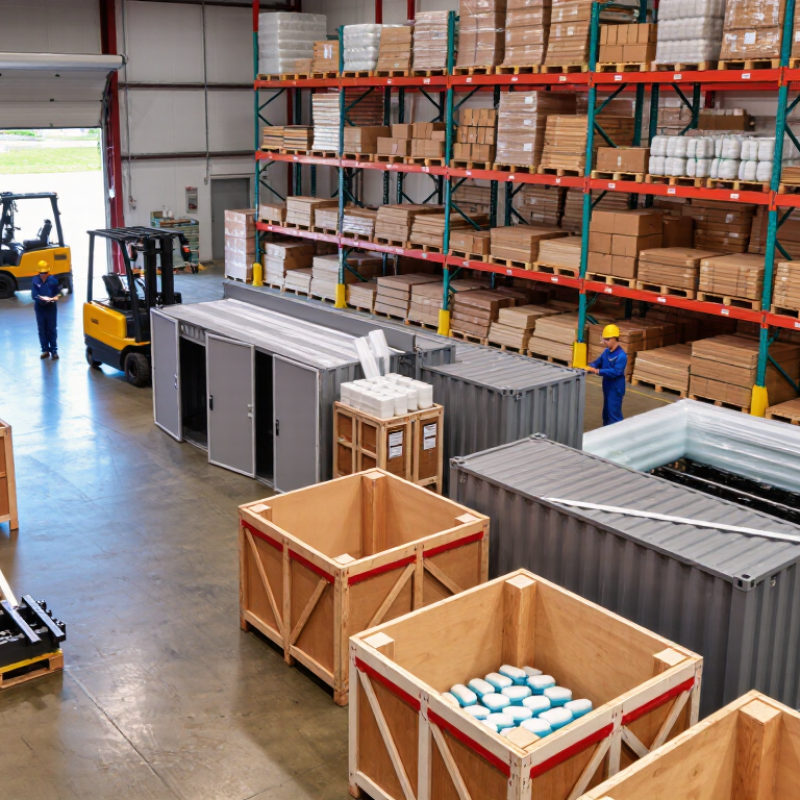
10 Best Industrial Cargo Packaging and Crating Companies

What Industrial Cargo Packaging and Crating Companies Do

Industrial cargo packaging and crating companies prepare machinery, components, and oversized goods for handling and transport. They assess weight, dimensions, lifting points, and likely exposure to vibration or moisture. Then they select a crate, skid, or reinforced enclosure and secure the load with blocking, bracing, and suitable cushioning. For sensitive equipment, they may add barrier materials, desiccants, or shock indicators. UNCTAD’s Review of Maritime Transport 2024 notes that more than 80% of world trade by volume moves by sea, where cargo may face repeated transfers and changing humidity. Packaging choices matter.

Tips: Share equipment drawings, center-of-gravity details, and destination conditions before requesting a design. Photograph the load before closing the crate. Ask how the packer will protect exposed metal and support lifting points. Small details help. A missed drain plug or loose accessory can become a costly problem.

Crating providers may also arrange export-ready packing, labeling, and coordination with freight handlers. The World Bank’s 2023 Logistics Performance Index estimates that goods spend an average of 44 days moving through international supply chains, though journeys vary widely. Packaging must therefore withstand more than one forklift move or a short truck ride. A good provider documents materials and packing steps, but no design is perfect; rushed handoffs can still undermine careful work. Teams should review damage records and update specifications when cargo, routes, or handling methods change.

Packaging, Crating, and Logistics Services They Provide

Industrial cargo packaging and crating companies protect machinery, components, and oversized equipment from impact, vibration, and moisture. Services often begin with measuring the load and reviewing its weight, shape, lifting points, and handling needs. A well-fitted crate may include internal blocking, bracing, forklift openings, and a moisture-resistant barrier. Small details matter. A loose bolt or poorly supported corner can cause damage during a long trip.

Many providers also offer on-site packing, custom crate fabrication, palletizing, and protective wrapping. For sensitive equipment, they may add cushioning, desiccants, or shock and tilt indicators. Experienced teams plan around how a shipment will be lifted and secured, not just how it looks when closed. Still, estimates can miss awkward access or last-minute changes. A site visit helps, though it cannot predict everything.

Logistics support may include freight coordination, temporary storage, load planning, pickup scheduling, and shipment tracking. Some companies prepare packing lists and dimensional details to help carriers handle cargo correctly. Before choosing a provider, ask for a clear scope, material specifications, and photos of similar work. Confirm who handles loading and what happens if cargo dimensions change. The cheapest quote may leave important tasks unclear.

Common Pallet Footprints for Industrial Cargo

Standard pallet dimensions help packaging and crating teams plan freight handling, storage, and shipment layouts.

Dimensions shown are nominal length × width in millimeters. ISO pallet sizes are based on ISO 6780; the 1219 × 1016 mm footprint corresponds to the common 48 × 40 in North American pallet. Load capacity varies by pallet design and material.

How to Evaluate Industrial Packaging Providers

Choosing an industrial packaging provider starts with how they assess the actual load, not how polished their quote looks. Ask for a site visit or a detailed review of dimensions, weight, center of gravity, lifting points, storage time, and transport conditions. A crate that fits on paper can still fail when a forklift approaches from the wrong side. Small details matter. Request examples of similar shipments and ask what changed after the first delivery. Specific answers show experience; broad promises do not.

Evaluate design and execution together. Check whether the provider explains blocking, bracing, moisture control, corrosion protection, and inspection access. Ask how they verify cushioning, fasteners, and crate closure before release. Measurements should be recorded, not remembered. Compare drawing revisions, lead times, labor, and damage-claim handling; a low unit price may hide extra handling or rework. Ask who makes decisions when cargo dimensions change late. The answer may be imperfect, and that can be useful. A dependable provider identifies assumptions, explains trade-offs, and documents open risks instead of promising zero damage. If possible, inspect a completed crate and observe how it is loaded.

Profiles of 10 Industrial Cargo Packaging and Crating Companies

The ten company profiles highlight different approaches to industrial cargo packaging and crating. One provider builds custom wooden crates for oversized machinery. Another focuses on reusable steel frames for repeated shipments. A third designs shock-resistant packaging for sensitive instruments. A fourth combines packing services with warehouse staging. Their value depends on the cargo, route, and handling conditions.

A fifth provider specializes in export-ready crating and moisture barriers. A sixth offers on-site packing for equipment that is difficult to move. A seventh designs foam inserts around fragile components. An eighth handles heavy loads with reinforced skids and lifting points. A ninth supports mixed-size shipments with modular packaging. A tenth emphasizes detailed inspections and shipment documentation. No approach fits every load. Even a well-made crate can fail if its dimensions or lifting points are wrong.

Tips: Share cargo weight, dimensions, center of gravity, and handling limits before requesting a quote. Ask how packaging will be tested and what materials can be reused. Measure twice. Then check the finished crate against the packing plan; small differences can matter.

Choosing a Provider for Your Cargo and Shipping Requirements

Choosing an industrial packaging provider starts with the cargo, route, and handling conditions—not a standard crate size. UNCTAD’s Review of Maritime Transport 2024 reports that more than 80% of world trade by volume travels by sea. That makes container dimensions, moisture exposure, and repeated transfers practical concerns. Share the shipment’s weight, centre of gravity, lifting points, and destination with each candidate. Ask how they select blocking, bracing, cushioning, and barrier materials for your cargo. Small details matter. A heavy machine may need reinforced skids, while a sensitive instrument may need vibration control and a moisture barrier.

Compare providers on engineering, production consistency, and communication. Request drawings, material specifications, and a sample packing plan before approving a full run. Ask how crates will be lifted, stacked, secured, and inspected, and whether the design suits your transport mode. A useful quote should identify dimensions, weight limits, lead time, and any testing included. Where appropriate, ask about recognized transit-testing methods and export wood-packaging requirements. Then compare total delivered cost, not only the crate price. A low quote can miss handling or storage needs. I still find that shipment details arrive late; this can force avoidable redesigns. A trial pack can expose awkward access or loose bracing before dispatch. Not always. Check that the provider documents changes and gives you a named contact for problems.

10 Best Industrial Cargo Packaging and Crating Companies - Choosing a Provider for Your Cargo and Shipping Requirements

Compare provider capabilities against your cargo, transport mode, destination, and handling requirements. The entries below describe service types and selection criteria—not named companies or claims about specific providers.

Provider capability Best suited cargo Packaging approach Key requirements to confirm Useful evaluation question
Export wooden crating Machinery, industrial components, and general export cargo Custom-built crate with blocking and bracing designed for the cargo and handling method For applicable international shipments, ask whether regulated solid-wood packaging complies with ISPM 15 and destination-country rules. Can you provide a packing plan based on cargo weight, center of gravity, and handling points?
Heavy-equipment packing Generators, presses, pumps, and other heavy machinery Engineered skids or bases, load restraint, and protective enclosure as required Confirm lifting points, load distribution, transport restraints, and whether the packed dimensions fit the planned route and equipment. How will the load be secured for the intended road, rail, sea, or air journey?
Moisture-protection packaging Corrosion-sensitive machinery, metal parts, and electrical equipment Barrier materials, desiccants, and sealed packaging selected for the exposure risk Specify transit duration, climate exposure, storage conditions, and any required corrosion-protection method. What environmental conditions is the proposed moisture-control system designed to address?
Shock- and vibration-conscious packing Precision instruments, test equipment, and sensitive assemblies Cushioning, immobilization, and protective packaging matched to product fragility and route Discuss known fragility limits, orientation needs, handling risks, and whether monitoring devices are appropriate. How do you select cushioning and verify that the cargo is restrained without damaging it?
Oversized and out-of-gauge cargo packing Large industrial modules, fabricated structures, and project cargo Tailored supports, weather protection, and transport-ready securing arrangements Confirm final packed dimensions, weight, lifting method, route constraints, and carrier-specific securing rules. Can you coordinate packing dimensions and handling details with the freight provider?
Dangerous-goods packaging support Regulated dangerous goods, subject to classification and transport mode Packaging selected for the substance, hazard classification, quantity, and applicable transport rules Requirements vary by material and mode; confirm current applicable regulations, packaging approvals, marks, labels, and documentation. Who verifies the dangerous-goods classification and packaging requirements for this shipment?
Container loading and cargo securing Palletized or crated cargo moving in freight containers Load distribution, blocking, bracing, and restraint appropriate to cargo and container Confirm container payload limits, cargo weight distribution, securing materials, and relevant carrier or regulatory guidance. Will you document the loading and securing arrangement before dispatch?
Reusable packaging and returnable systems Recurring shipments between known facilities Returnable crates, racks, or containers designed around repeat handling and reverse logistics Evaluate return routes, cleaning or inspection needs, tracking, repair, and end-of-life handling. What is the practical return and inspection process for the packaging?
On-site packing and crating Installed machinery, large equipment, or cargo difficult to move to a packing facility Packing performed at the cargo location, with handling and access conditions assessed in advance Confirm site access, work-area constraints, lifting arrangements, safety procedures, and any required shutdown or preparation. What site survey and preparation are needed before the packing crew arrives?
Packing documentation and shipment coordination Multi-piece industrial shipments or cargo with detailed handling instructions Packing lists, piece identification, handling marks, and shipment information coordinated with the chosen transport plan Agree on required documents, labels, photographs, cargo measurements, and responsibility for export or transport paperwork. Which shipment records will you provide, and who is responsible for each document?

Requirements depend on the cargo, route, destination, and transport mode. Verify applicable regulations and carrier instructions before shipment.

FAQS

What does an industrial cargo packaging provider do?

It measures machinery, checks lifting points, and designs crates or skids for transport. Small details matter.

What information should I share before requesting a packing design?

Provide equipment drawings, dimensions, weight, center of gravity, and destination conditions. Mention exposed metal and unusual lifting points.

How can a crate protect equipment during transport?

Blocking and bracing limit movement. Cushioning absorbs impact, while moisture barriers and desiccants help protect sensitive equipment.

What other services may packaging companies provide?

Services can include on-site packing, crate fabrication, palletizing, protective wrapping, temporary storage, and freight coordination.

How can I assess a provider’s experience?

Ask for examples of similar shipments and what changed after delivery. Specific answers are more useful than broad promises.

What should I check before approving a crate?

Review measurements, forklift openings, bracing, moisture protection, fasteners, and closure checks. Ask for recorded measurements.

Why do shipping plans need clear handoffs?

Cargo may face repeated transfers and changing humidity. Confirm who handles loading, pickup scheduling, and shipment tracking.

What if cargo dimensions change late?

Ask who makes the decision and whether the design, cost, or schedule must change. Assumptions can be missed. We should admit that.

Conclusion

Industrial Cargo Packaging And Crating providers help businesses prepare heavy, oversized, delicate, and high-value equipment for storage and transport. Their work may include assessing cargo dimensions and handling needs, designing protective packaging, building custom crates, securing loads, and coordinating logistics. Depending on the shipment, services can also cover blocking and bracing, cushioning, labeling, packing, and delivery planning to reduce the risk of damage and delays.

This article explains how to evaluate providers by considering their experience with similar cargo, packaging design capabilities, quality controls, service range, communication, and ability to meet schedules and budget requirements. It also profiles ten types of industrial packaging and crating companies, highlighting the services and strengths to compare when planning a shipment. The final section offers practical guidance for matching a provider’s capabilities to cargo specifications, transportation methods, destination requirements, and handling conditions.

Amelia

Amelia

Amelia is a dedicated marketing professional with a deep understanding of the company’s products, customers, and evolving market needs. With a strong background in content strategy, product communication, and customer-focused marketing, she transforms complex information into clear, practical, and......