
Knowledge Base & News
Logistics & Supply Chain Insights
Expert articles, industry updates, and practical guides on international air, ocean, and road freight forwarding.
How to Crate Heavy Goods for Freight Shipping?
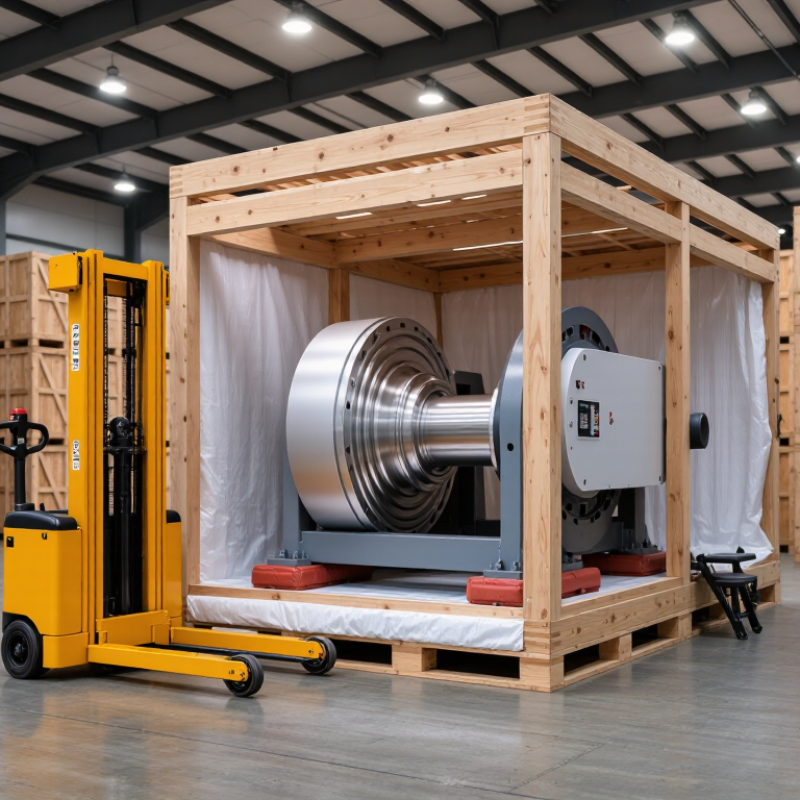
Heavy Goods Freight Crating begins with a practical question: what could happen to the load between the workshop and its destination? A heavy machine may face forklift impacts, vibration, shifting, and long periods in transit. A sound crate helps control those risks. It also gives handlers clear lifting points and protects vulnerable parts, such as exposed shafts, control panels, and painted surfaces.
The scale of freight makes careful preparation worthwhile. The 2024 CSCMP State of Logistics Report estimated U.S. business logistics costs at $2.3 trillion in 2023, or about 8.7% of gross domestic product. That figure is not a measure of crating failures, but it shows how much value moves through supply chains. Packaging researcher Dr. Jay Singh’s work supports a useful principle: protective packaging should be designed around the product and its distribution environment. Treat that as guidance, not a substitute for a project-specific engineering review.
Good crating starts with accurate measurements, a known center of gravity, and a clear understanding of the planned handling equipment. Choose materials and bracing that suit the load, then secure the item without crushing delicate components. Add moisture protection when the route and storage conditions call for it. Check that fork pockets, lifting instructions, and crate markings are visible. Small details matter.
And assumptions can fail. A crate that looks strong in a warehouse may behave differently after repeated transfers or exposure to damp conditions. This guide explains how to plan, build, and inspect a freight crate with those real-world uncertainties in mind.
Assess the Freight Requirements and Characteristics of the Goods
Before building a crate, record the freight’s actual weight, dimensions, and center of gravity. Measure protruding handles and uneven bases too. A 1,200-pound machine in a 48-by-40-by-36-inch footprint occupies about 40 cubic feet, or 30 pounds per cubic foot. That density helps describe the shipment, but it does not tell you where the load will press against the crate floor. Mark lifting points, and note whether forks can enter from the sides. Measure everything.
Check the carrier’s limits for weight, length, height, and loading method before choosing crate dimensions. The U.S. Bureau of Transportation Statistics’ Freight Facts and Figures 2023 reports that trucks moved an estimated 11.4 billion tons of U.S. freight in 2021. Freight may pass through several loading and unloading points, so a crate should tolerate more than one careful lift. Ask whether the shipment will be stacked, exposed to outdoor transfer, or moved by forklift. Do not assume “heavy” means “stable.”
Inspect the goods themselves. A tall motor with a narrow base needs different blocking from a low, solid casting. Identify fragile controls, loose components, sharp edges, and surfaces that could corrode from trapped moisture. Record the answers, even when they seem obvious. I have seen a crate plan focus on total weight and miss an offset center of gravity. That oversight can make an otherwise strong base twist during a lift. A small detail, but it matters.
Choose Crate Materials and Design for the Load
Start with the load, not the lumber. Record the item’s weight, dimensions, center of gravity, and any fragile points. A tall machine with a narrow base needs different support from a dense, compact component. Measure it again; small errors can leave too little clearance or force the crate panels outward.
Choose materials to match the weight and route. Plywood offers broad, stable panels, while solid lumber can form strong skids and framing. Use thicker members where the load bears down, and add cross-bracing to resist movement during handling. For a heavy item, the base deserves special attention. Forklift pockets should align with the center of gravity and leave enough clearance for the forks. Keep the item from touching the crate walls. Use blocking and cushioning that prevent shifting without pressing on delicate surfaces.
A crate can look sturdy and still fail at a joint. Check fasteners, corners, and the connection between the base and frame; those details carry real stress. Test the fit before closing the crate, and confirm that the marked lifting points match the actual balance. More wood is not always safer. Excess weight can complicate handling, and overbuilt panels may hide poor internal support. When the load or transport conditions are uncertain, have a qualified packaging professional review the design.
How to Crate Heavy Goods for Freight Shipping: Choose Crate Materials for the Load
Approximate material density (kg/m³) helps compare the potential tare weight of crate components made from equal volumes of material.
Representative densities are approximate; actual values vary with species, grade, moisture content, and product construction. Density alone does not determine load capacity. Select crate panels, bracing, and fasteners for the freight’s weight, dimensions, center of gravity, handling, and shipping conditions, and verify the design for the specific load.
Prepare the Goods and Build the Crate
How to Crate Heavy Goods for Freight Shipping?
Prepare the Goods and Build the Crate
Before cutting lumber, inspect the item and record its weight, dimensions, and center of gravity. Check the maker’s handling instructions for approved lifting points. Remove loose parts, secure moving components, and wrap finished surfaces with cushioning that will not trap moisture. A small bag of bolts can become a hard, damaging projectile in transit. Keep it restrained.
Build the base to support the full load, not just the item’s footprint. Use sound, appropriately sized materials and fasteners, then position the goods low and near the center. Add blocking and bracing so the item cannot slide, tip, or press against the crate walls. Leave enough clearance for padding, but avoid empty spaces that invite movement. A neat-looking crate can still fail if its base flexes. Recheck your measurements; even careful estimates can be slightly off. It happens.
Fit the panels securely, and make sure fasteners do not contact the goods. If the shipment may face damp conditions, choose a suitable moisture barrier and allow for ventilation where needed. Do not add improvised fork openings or lifting points. Confirm the finished crate’s weight, dimensions, and handling instructions before arranging freight. When the load is exceptionally heavy or awkward, have a qualified packaging professional review the design. A second set of eyes is worth the pause.
Secure the Goods Inside the Crate
A crate can be built from strong timber and still fail if the load shifts inside. Before packing, check the goods for loose parts, sharp edges, and fragile contact points. Wrap vulnerable surfaces, but do not let soft padding carry the full weight. Heavy items need solid support beneath them. Movement is the enemy.
Place the load near the crate’s center and distribute its weight evenly across the base. Use fitted blocks, braces, or bolted supports to stop it sliding in every direction. Add cushioning only where impact protection is needed, such as around a delicate corner or exposed fitting. Fill empty spaces with firm material that will not compress easily under pressure. Small gaps matter. A thin void can let a heavy object build momentum during transport.
Before closing the crate, test the restraints with a careful push. The goods should not rock, scrape, or shift. Check that straps and fasteners are tight, but avoid crushing the item or distorting its frame. In practice, a second inspection often catches a missed gap or a loose support. I would rather reopen a crate than trust a quick glance. Secure internal blocking to the crate structure, not just to another loose piece of packing.
Inspect, Mark, and Prepare the Crate for Shipment
Before a heavy item enters its crate, inspect the wood, fasteners, and joints for cracks or movement. Check that the base can support the load and that the item cannot shift during handling. Look closely. A small gap near a corner can become a weak point under vibration. Confirm the crate’s dimensions and weight against the freight provider’s handling requirements. If the load is unusually dense or uneven, ask a qualified packaging professional to review the design.
Mark the outside with the shipment’s destination, handling instructions, and the crate’s gross weight. Add clear orientation arrows when the item must remain upright, and identify suitable lifting points. Keep labels visible on more than one side, away from seams and straps. Inside, block and brace the item so it cannot slide, tip, or strike the crate walls. Use cushioning where contact could damage a finish, but do not let soft material carry the load. Moisture protection may be needed; the right choice depends on the cargo and route. I have seen careful marking fail when labels were covered during strapping, so check visibility again after securing the crate.
Tips: Photograph the packed item, internal bracing, and closed crate. Keep a copy of the weight and handling details with the shipping documents. Recheck every fastener before pickup.
FAQS
Record the item’s weight, dimensions, and center of gravity. Check approved lifting points and remove or secure loose parts.
Size the base for the full load, not just the item’s footprint. Use sound materials and place the goods low and near the center.
Fit solid blocks, braces, or bolted supports to the crate structure. Fill gaps with firm material that will not compress easily. Small gaps matter.
Protect delicate corners, finishes, and exposed fittings. Do not rely on soft padding to carry the item’s weight.
Push carefully before closing the crate. The item should not rock, scrape, or shift, and its restraints should not crush or distort it.
Check the wood, fasteners, joints, and base for cracks or movement. Confirm the crate’s dimensions and weight meet the freight provider’s requirements.
Mark the destination, gross weight, handling instructions, and orientation arrows when needed. Keep labels visible on multiple sides, even after strapping.
Yes. Photograph the item, internal bracing, and closed crate, then keep weight and handling details with the shipping documents. Recheck every fastener before pickup.
Ask for a review when the load is unusually heavy, dense, uneven, or awkward. My measurements can be slightly off. A second check helps.
Conclusion
Heavy Goods Freight Crating begins with understanding the shipment: determine the goods’ weight, dimensions, shape, fragility, and handling needs, then consider the transport route and expected movement. These details guide the choice of crate materials and design, including a strong base, suitable wall thickness, internal supports, and enough clearance to protect the load without making the crate unnecessarily large.
Before packing, clean and prepare the goods, protect vulnerable surfaces, and position the load securely on the crate base. Use appropriate blocking, bracing, and cushioning to prevent shifting, impact, or vibration during transit. Once assembled, inspect the crate for structural strength, secure fasteners, and clear access for handling. Mark its weight, dimensions, lifting points, and handling instructions as needed, then confirm that the shipment is ready for safe pickup and freight transport.

Blog Tags: