Knowledge Base & News
Logistics & Supply Chain Insights
Expert articles, industry updates, and practical guides on international air, ocean, and road freight forwarding.
Choosing the right Less-Than-Truckload Road Cargo service can protect your budget, delivery schedule, and customer relationships. It suits shipments that are too large for parcel networks but too small for a full truck.
Buyers often compare price first. That can be a costly mistake. A low quote may exclude fuel adjustments, residential delivery, liftgate use, or limited-access fees. Experienced shipping teams examine the complete landed cost before booking. They also check pickup windows, terminal coverage, claims procedures, tracking quality, and handling requirements.
This guide reviews seven practical options for Less-Than-Truckload Road Cargo. Each option fits a different buying situation, from standard pallet freight to time-sensitive commercial deliveries. The comparison considers carrier experience, route reliability, shipment visibility, equipment, and customer support. It also reflects common warehouse realities, such as narrow loading bays, uneven pallet weights, and missed appointment windows.
Small details matter.
A buyer should confirm pallet dimensions twice. One incorrect measurement can change the freight class and final charge. Carrier performance can also vary by lane, season, and local terminal. Therefore, no ranking works perfectly for every shipment. Our evaluation may not capture every regional difference, and that limitation deserves attention.
Use the recommendations as a practical starting point, not a substitute for a written quote. Request clear terms, review service exclusions, and confirm delivery requirements before tendering freight. With careful checks, buyers can select a road cargo option that balances cost, control, and dependable delivery.
What Less-Than-Truckload Road Cargo Means for Buyers
What Less-Than-Truckload Road Cargo Means for Buyers
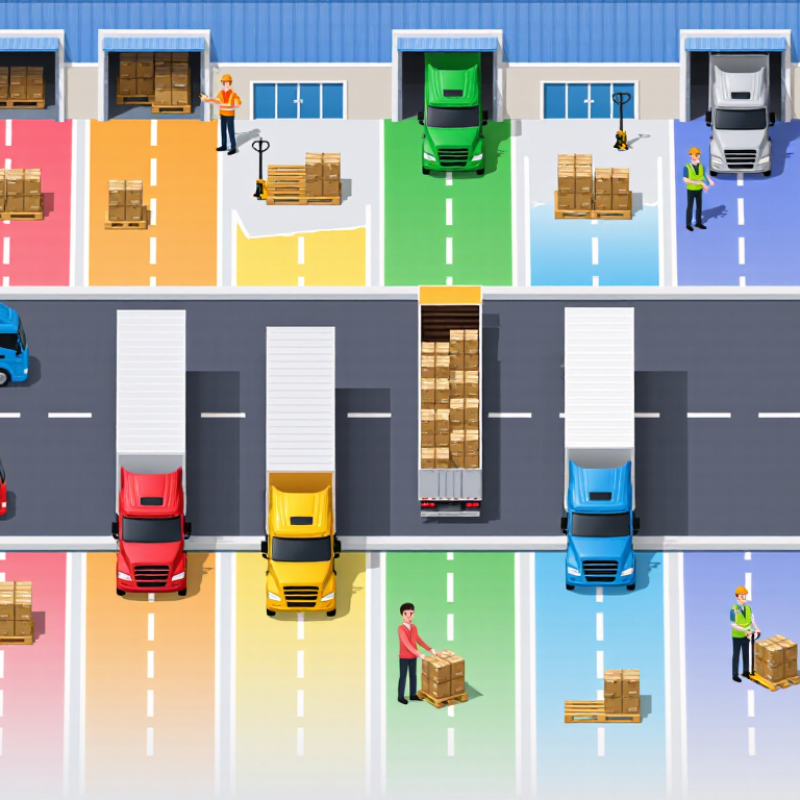
Less-than-truckload road cargo serves shipments that cannot fill an entire truck. Buyers share trailer space and pay for the portion they use. This can reduce transport costs for smaller orders. It can also create more handling points.
The best option depends on the cargo, route, and delivery site. Common choices include palletized cartons, crated machinery, boxed furniture, retail replenishment, construction materials, temperature-sensitive products, and oversized partial loads. Pallets usually improve stability. Crates may protect delicate equipment. Temperature-sensitive cargo requires verified handling procedures. Liftgate delivery can help when the receiver lacks a loading dock. It may also add a charge.
Buyers should compare more than the basic freight rate. Check dimensions, actual weight, pickup windows, delivery access, insurance terms, and estimated transit time. Ask how the carrier handles reweighing and damaged packaging. A low quote can become expensive after extra handling fees appear. I have seen planning focus too heavily on price. That approach misses unloading risks. Measure every piece carefully, including wrapping and pallets. Photograph the cargo before collection. Still, even careful estimates can fail when packaging changes or a delivery site has restricted access. A clear written quote protects expectations, but it cannot remove every transport variable.
| Road Cargo Option | Best For | Typical Shipment Profile | Typical Transit Time | Common Weight Range | Handling and Delivery Features | Relative Cost | Key Buyer Checks |
|---|---|---|---|---|---|---|---|
| 1. Standard LTL Service | Routine palletized freight where delivery speed is important but not urgent. | Usually 1–6 pallets, packaged on standard pallets, with non-hazardous and stackable goods. | Approximately 2–7 business days, depending on distance, lane, terminal handling and service area. | About 150–10,000 lb per shipment; carrier limits vary. | Terminal-to-terminal or dock-to-dock movement, scheduled pickup and delivery, standard freight tracking. | Low to medium | Confirm freight class, dimensions, pallet count, delivery appointment requirements and whether the origin and destination have loading docks. |
| 2. Regional LTL Service | Short-distance or same-region shipments that need competitive pricing and dependable delivery. | Small pallet shipments moving within a defined geographic service area. | Usually 1–3 business days within the carrier’s regional network. | About 150–10,000 lb per shipment. | Fewer line-haul miles, frequent scheduled lanes, standard dock delivery and shipment visibility. | Low | Check geographic coverage, terminal locations, service-day frequency, cutoff times and rural-area surcharges. |
| 3. Expedited LTL Service | Time-sensitive freight, production components, replacement parts and orders with a firm delivery deadline. | One or more pallets requiring priority movement and reduced terminal dwell time. | Often 1–3 business days, subject to lane availability and the selected service commitment. | About 150–10,000 lb; size and handling restrictions may apply. | Priority pickup, faster line-haul handling, shipment monitoring and, in some cases, a delivery time commitment. | High | Obtain the written delivery commitment, cutoff time, late-delivery remedy, weekend policy and rules for missed pickup windows. |
| 4. Volume or Partial-LTL Service | Larger shipments that occupy substantial trailer space but do not require a full truckload. | Typically 6–18 pallets, oversized units or freight that may be more economical than standard LTL at higher volume. | Approximately 2–7 business days, depending on origin, destination and capacity. | Roughly 5,000–20,000 lb; practical limits depend on equipment and lane. | May reduce multi-terminal handling, support larger footprints and offer more direct movement than standard LTL. | Medium | Compare the all-in quote with full-truckload pricing, verify trailer-space assumptions, confirm loading equipment and identify any oversize fees. |
| 5. LTL with Liftgate Delivery | Buyers shipping to locations without a loading dock, forklift or suitable receiving equipment. | Palletized or crated cargo delivered to retail sites, offices, construction locations or small warehouses. | Usually follows standard or expedited LTL transit times, with delivery scheduled according to local availability. | Commonly up to approximately 5,000 lb per shipment, subject to liftgate capacity and freight dimensions. | Hydraulic platform lowers freight from the truck to ground level; may include curbside or threshold delivery depending on the service. | Medium to high | Confirm liftgate weight limits, delivery surface, access width, unloading distance, appointment requirements and whether inside placement is included. |
| 6. Residential or Limited-Access LTL Service | Deliveries to homes, farms, schools, hospitals, job sites, remote facilities or other locations with restricted commercial access. | Small to medium palletized freight requiring special delivery coordination. | Typically standard LTL transit plus additional scheduling time, often 2–8 business days overall. | About 150–5,000 lb, depending on vehicle access, unloading equipment and local restrictions. | Advance appointment, possible liftgate use, limited-access routing and delivery to an agreed accessible point. | Medium to high | Disclose the exact site type, road restrictions, vehicle clearance, contact details, appointment window and whether inside delivery is required. |
| 7. Cross-Border LTL Road Service | Commercial shipments moving by road between neighboring countries with predictable customs documentation. | Palletized, properly classified freight requiring export, import and border-clearance processing. | Approximately 3–10 business days, excluding possible customs delays, inspections and documentation corrections. | About 150–10,000 lb per shipment; commodity and border rules may limit eligibility. | Consolidated road transport, customs documentation support, border transfer and delivery to the receiving country. | Medium to high | Prepare commercial invoices, tariff or classification details, country-of-origin information, tax identifiers, permits and a clear importer-of-record arrangement. |
Planning note: Transit times, weight limits, freight classification, accessorial charges and delivery commitments vary by route, commodity, packaging, season and service provider. Buyers should request an itemized quotation based on exact dimensions, weight, pickup location, delivery location and access requirements.
FAQS
LTL means less-than-truckload freight. Several shipments share trailer space. It suits pallets that do not fill a full trailer.
Standard pallet LTL works for durable cartons moving between commercial docks. A 48-inch pallet may fit standard equipment.
Liftgate service helps when the delivery location lacks a loading dock. Narrow access, small entrances, or heavy pallets may require it.
Request a complete rate breakdown. Check fuel fees, appointment charges, storage costs, and possible reclassification fees.
Choose it for glass, machinery, or easily damaged cartons. Use corner protection, stretch wrap, blankets, or shock indicators.
Refrigerated LTL maintains a controlled temperature during road transport. Packaging and monitoring records still matter.
Expedited or time-definite service can reduce delays. It usually costs more. The cheapest option may still meet the deadline.
Review recent lane performance, tracking scans, claims handling, and delivery communication. One attractive quote proves very little.
No. Rural routes may have fewer pickups and longer terminal transfers. Test one regional lane before expanding widely.
Do not rely only on advertised transit times. Recheck dimensions, weight, access, and delivery conditions using three recent shipment examples. A score can mislead.
Conclusion
Less-Than-Truckload Road Cargo is a practical shipping solution for buyers who need to move freight that does not fill an entire truck. By sharing trailer space with other shipments, buyers can reduce transportation costs while maintaining access to regular road networks. The best option depends on shipment size, weight, delivery distance, handling requirements, budget, and scheduling priorities. Buyers should also compare pickup reliability, tracking visibility, terminal coverage, claims procedures, and flexibility when evaluating available services.
Regional LTL carriers are often well suited to short-distance and local shipments, offering efficient routes and frequent service within a defined area. National LTL networks provide broader coverage, more routing choices, and greater flexibility for shipments moving between multiple regions. For heavy, fragile, or time-sensitive freight, specialized LTL services may provide enhanced handling, protective equipment, appointment delivery, or expedited scheduling. A careful comparison of these seven cargo options can help buyers balance cost, speed, protection, and overall supply chain dependability.